
What should be confirmed before service work is released?
Confirm the venue, show manual, footprint, service deadlines, freight path, labor assumptions, graphics status, AV needs, and the person who owns field escalation.
What We Do
Service planning should connect scope, approvals, labor, freight, graphics, technical readiness, and show-site ownership before Washington deadlines start stacking up.
Centralizes approvals, vendor handoffs, labor calls, and floor escalation before the Washington calendar starts compressing.
Turns a program with several shows or stakeholders into visible milestones, decision owners, and field responsibilities.
Keeps decorator scope, service deadlines, venue dependencies, and production sequencing under one practical operating plan.
Protects the exhibitor from fragmented vendor conversations by keeping scope, approvals, and live floor decisions connected.
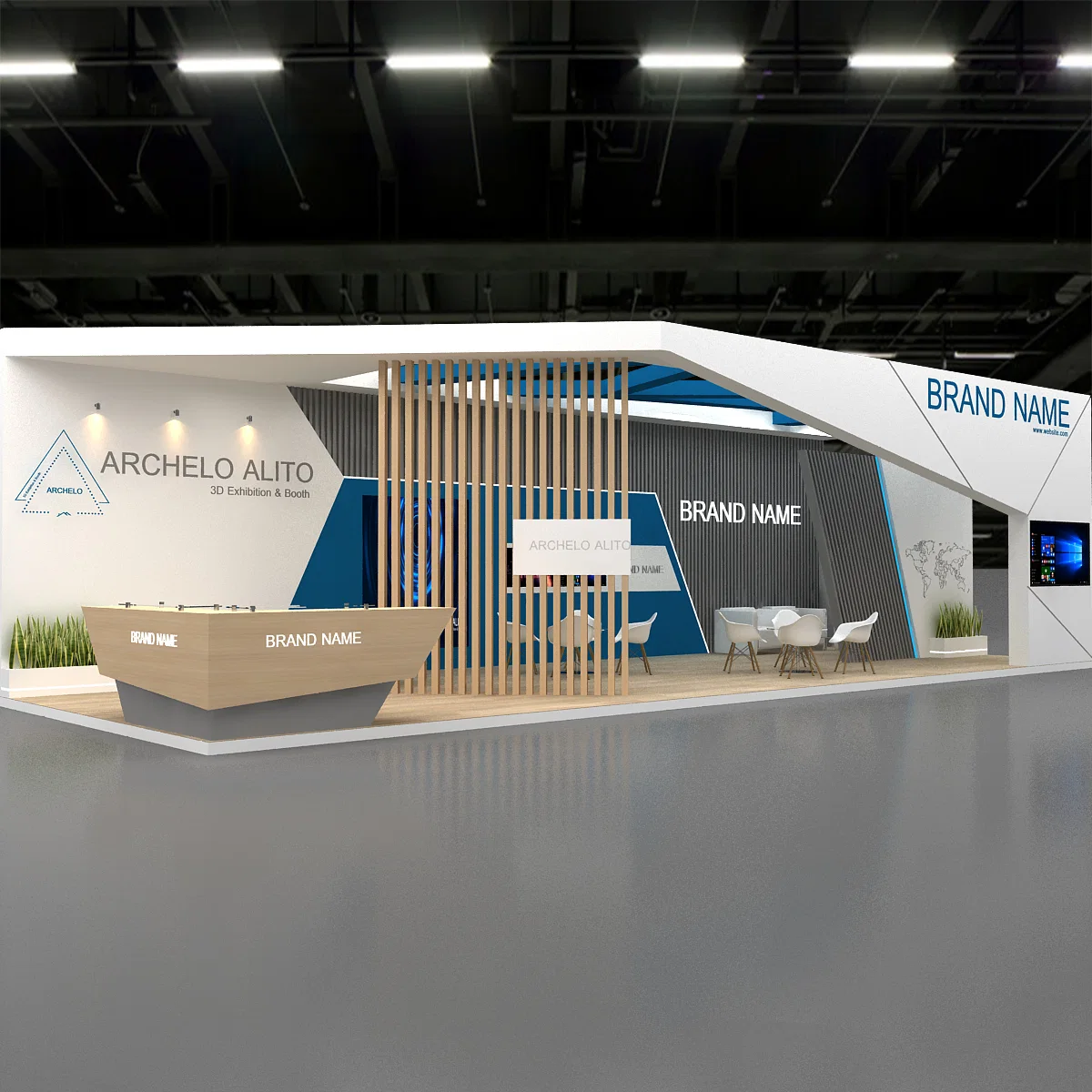
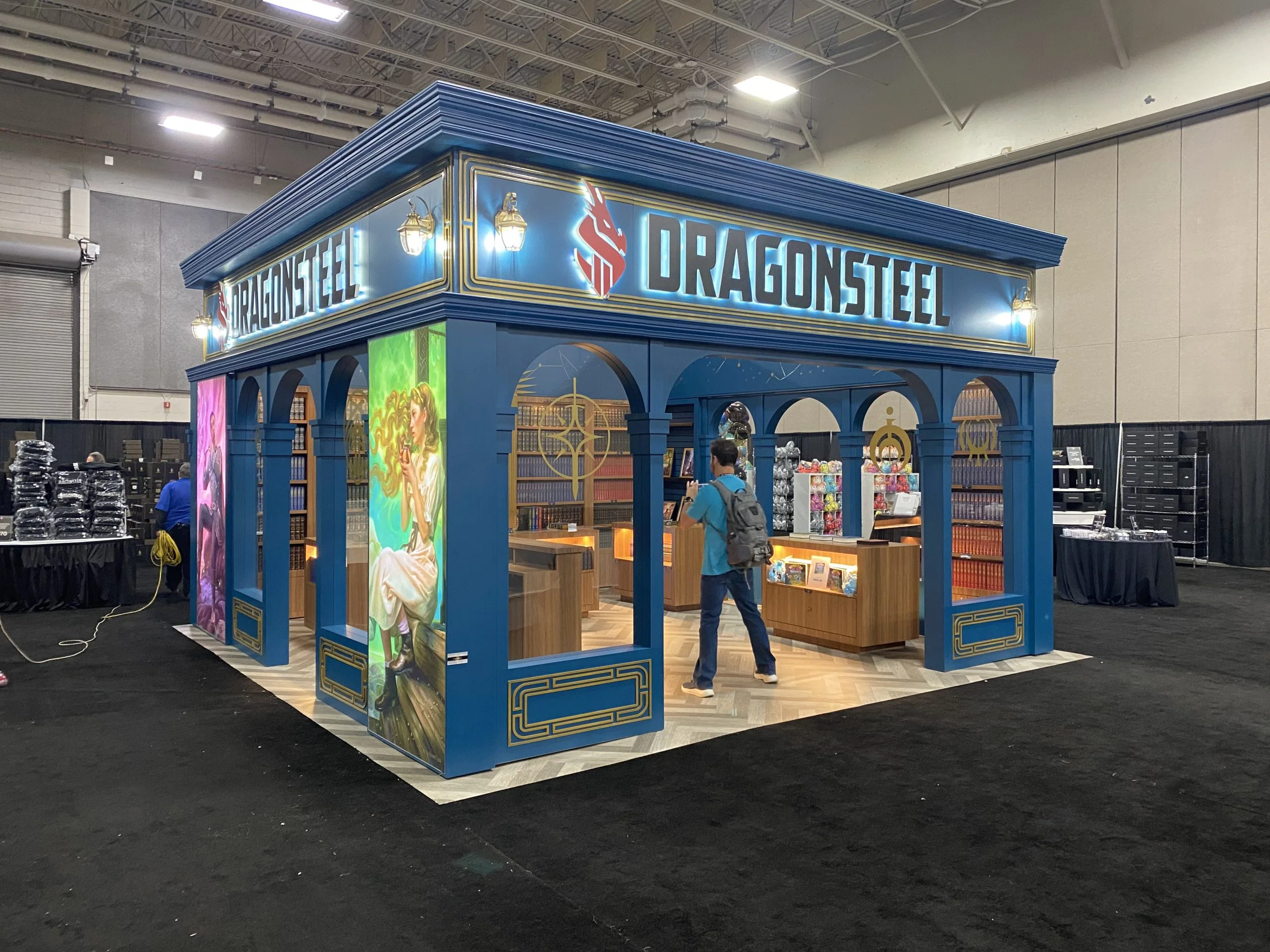
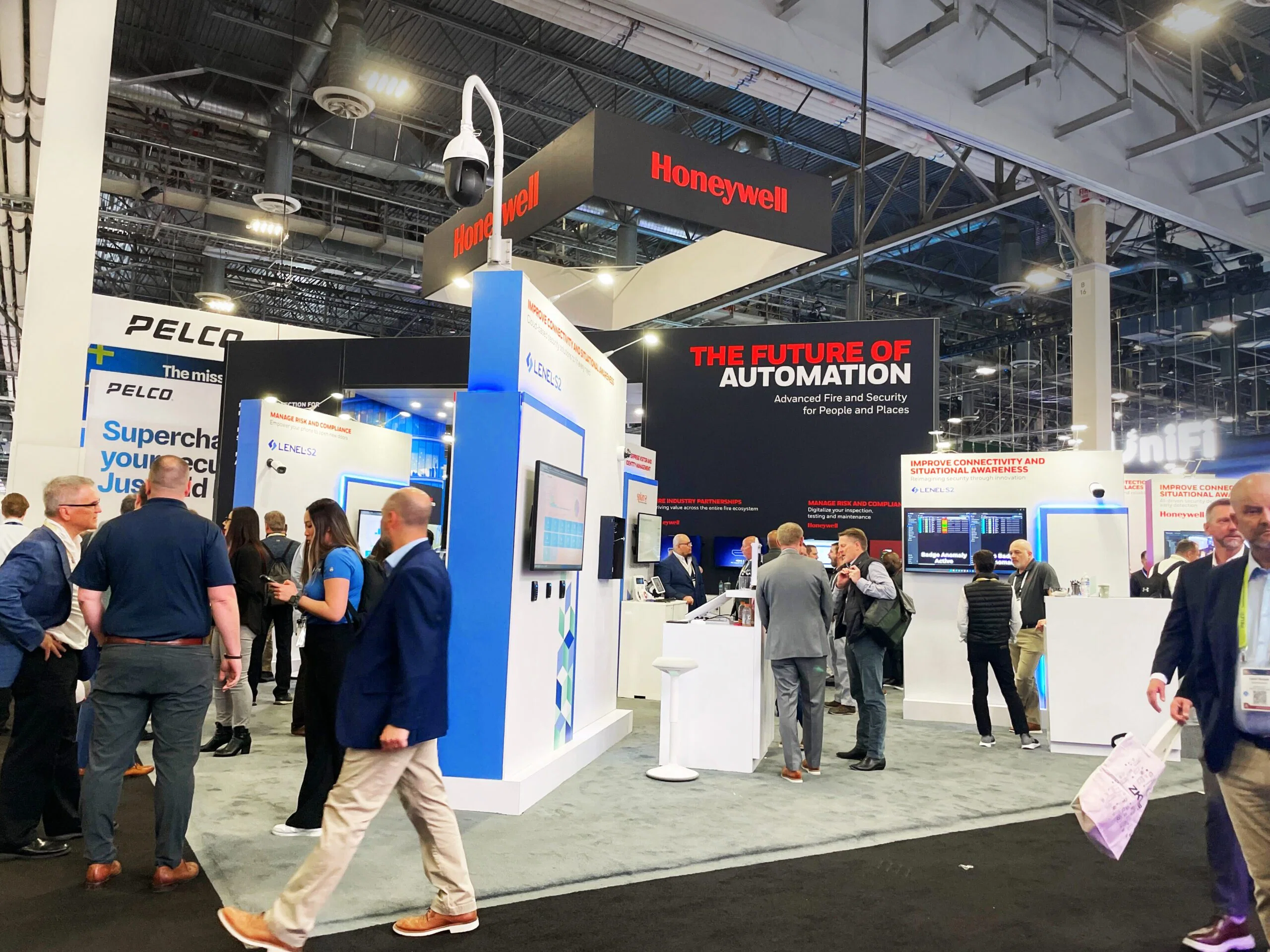
Connects the booth concept to aisle exposure, product demos, storage, staffing, and the rules of the actual venue.
Translates creative direction into approved dimensions, material choices, production milestones, and installation notes crews can use.
Balances speed, presentation quality, inventory fit, graphics needs, freight cost, and return logistics for shorter timelines.
Gives repeat exhibitors a flexible structure that can shift between footprints without losing brand consistency or setup discipline.
Supports smaller teams with lighter displays, simpler transport, faster setup, and enough polish for Washington meeting traffic.
Turns narrow aisle exposure, labor timing, utilities, graphics placement, and storage limits into an install sequence that works.
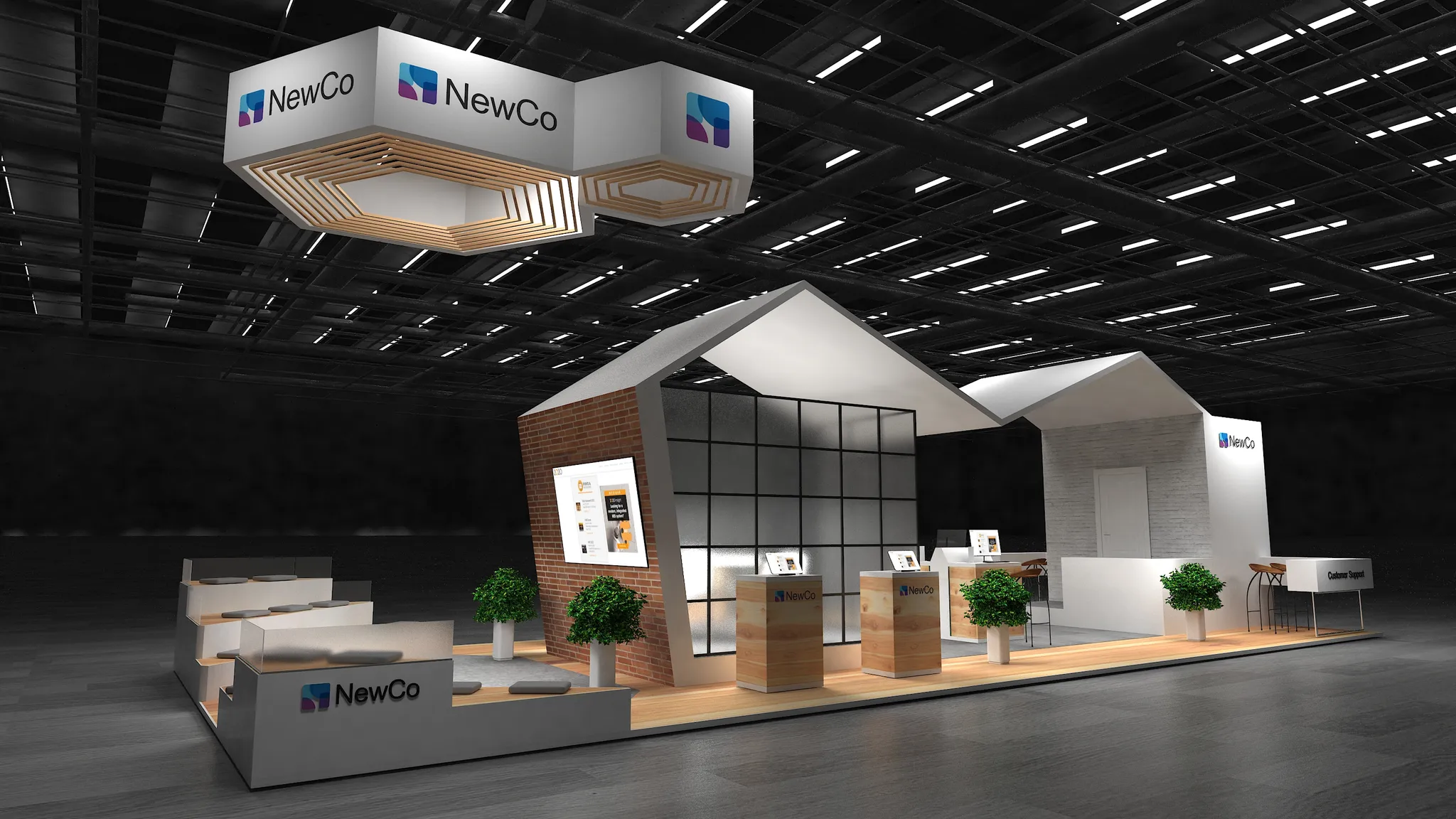
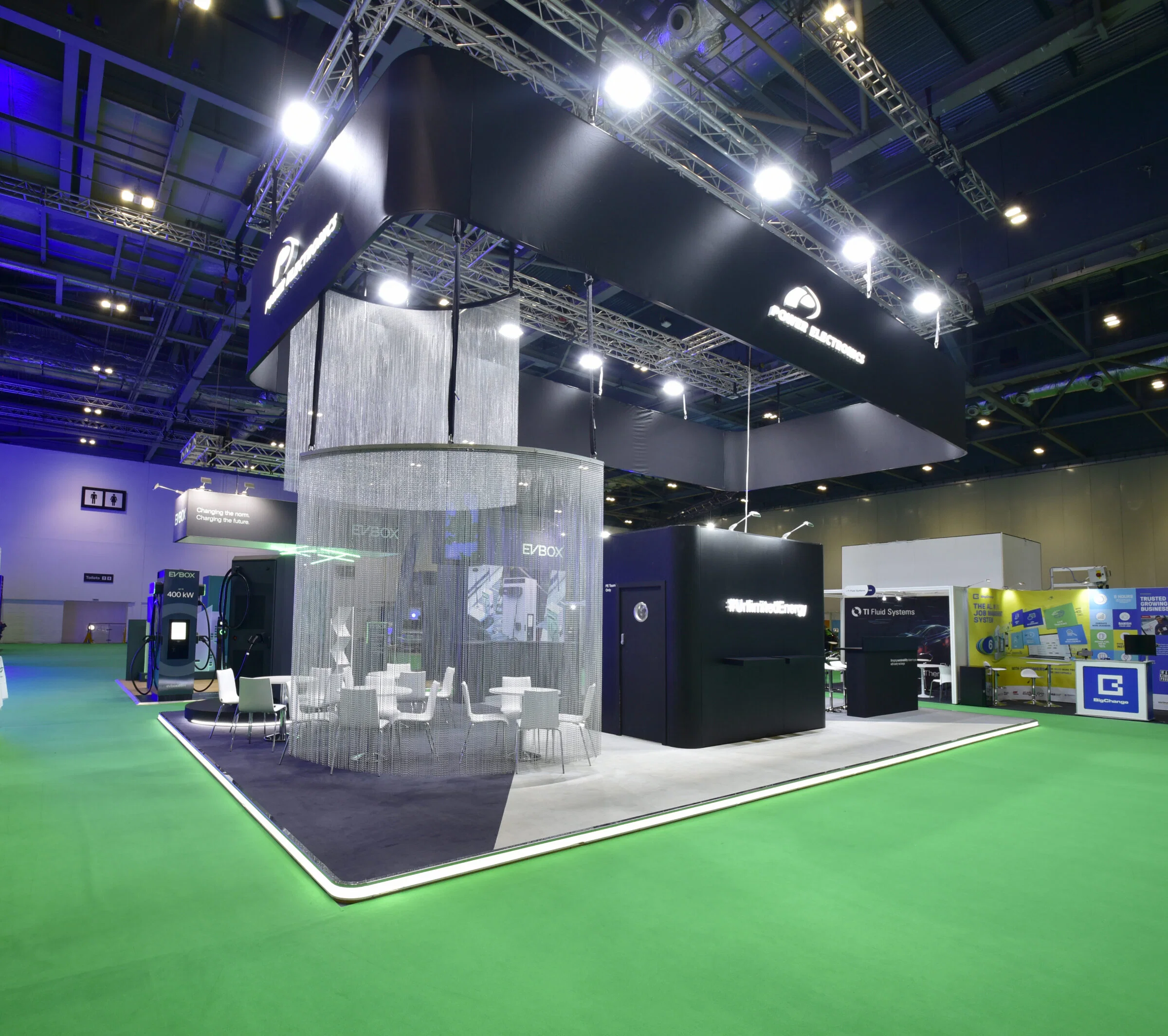
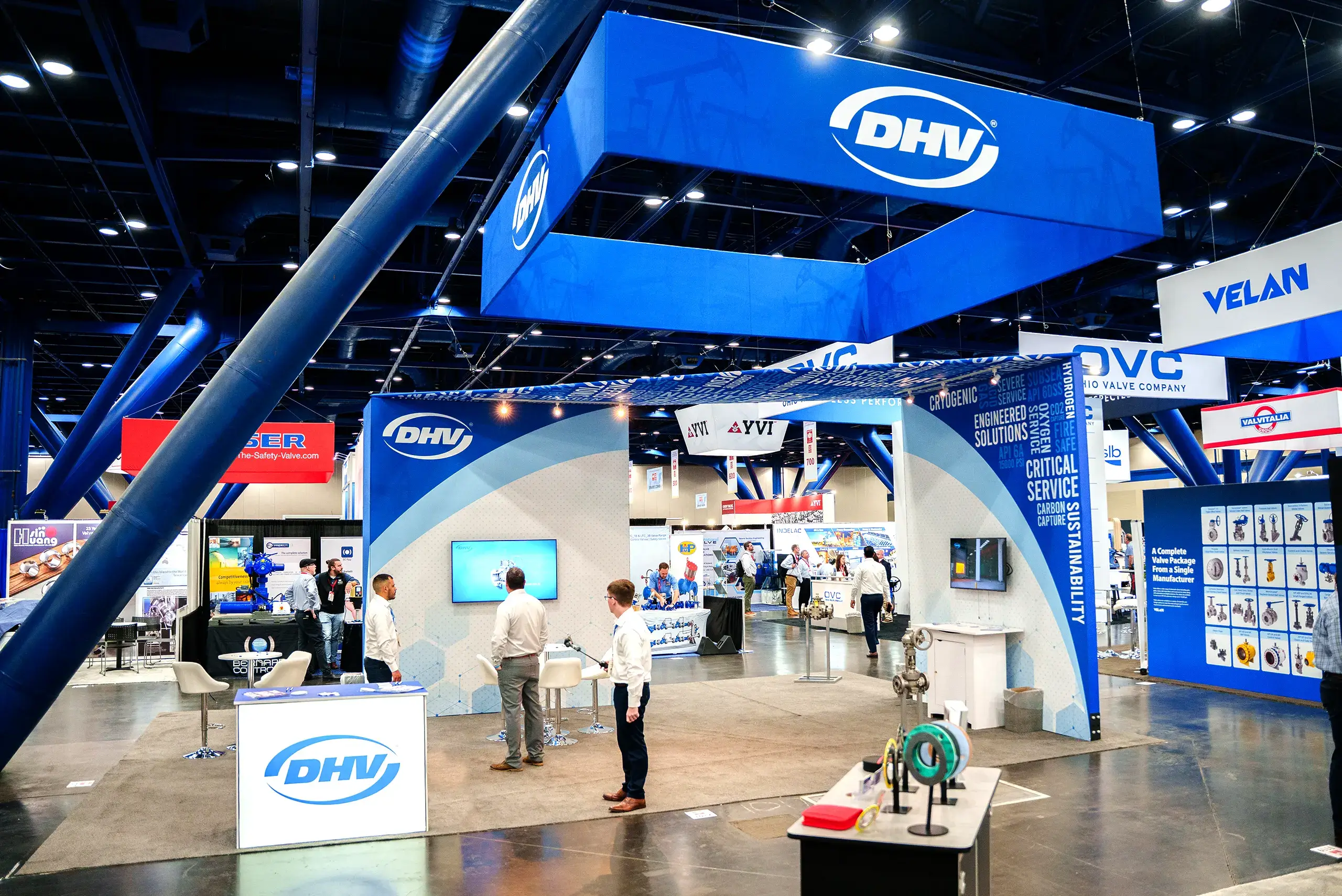
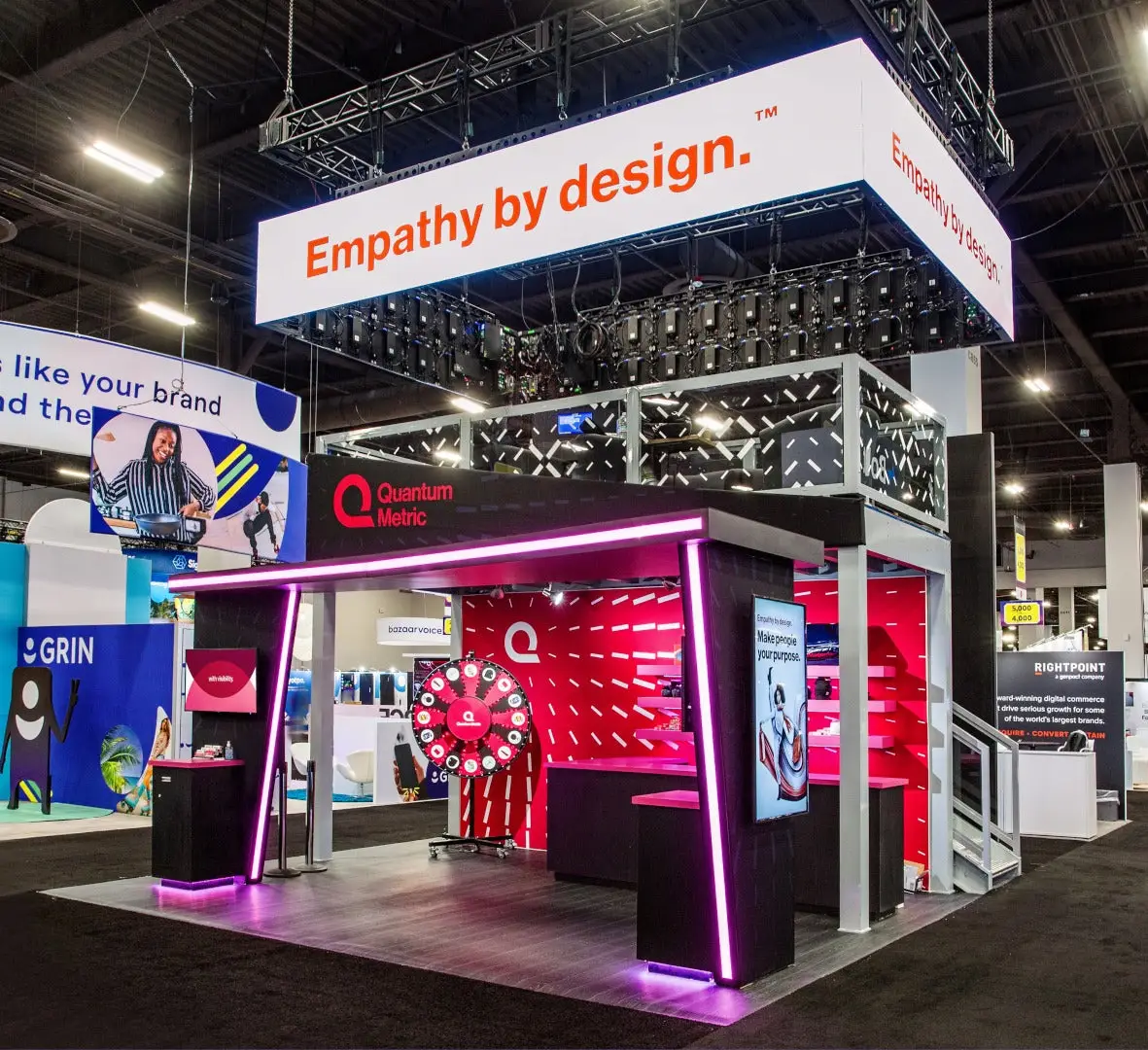
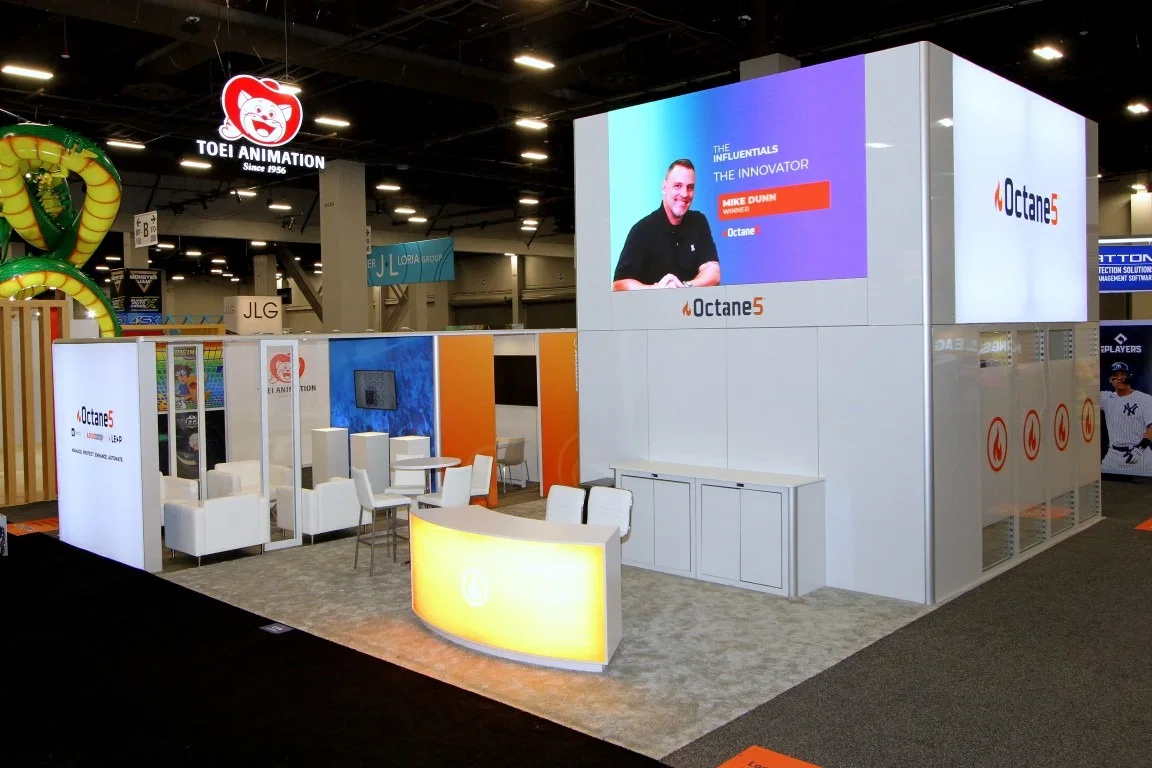
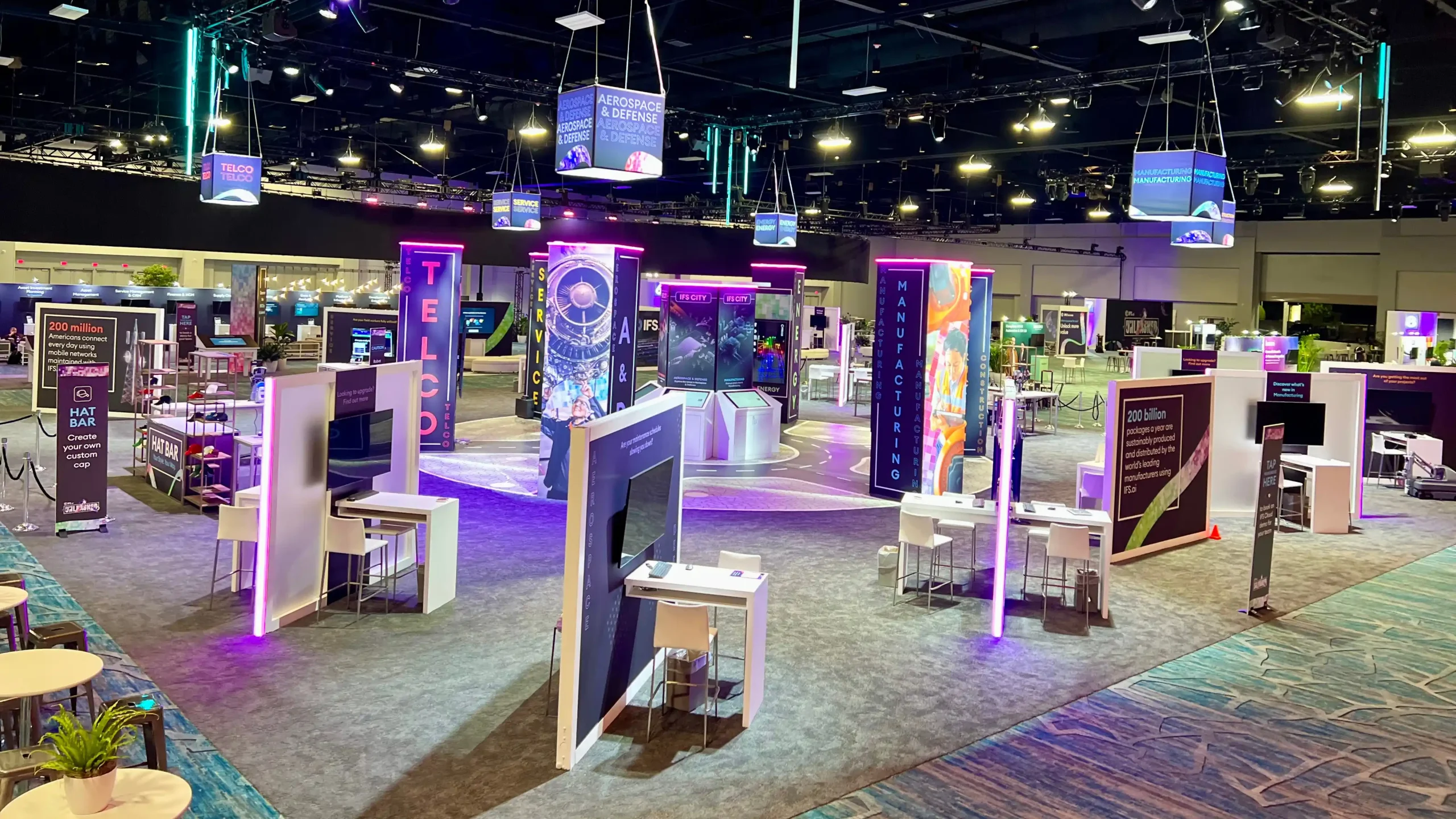
Plans sightlines, rigging, demo zones, crew access, and material flow for exhibits visible from every aisle.
Coordinates engineering, approvals, fire and safety requirements, labor staging, and supervision before the structure reaches the floor.
Converts crew calls, access windows, build order, strike timing, and freight release into a field plan crews can follow.
Keeps decision authority on the floor when services, late freight, graphics, AV, labor, or client requests need quick resolution.
Matches crew size, start times, specialty skills, badges, supervision, and dismantle coverage to the real venue schedule.
Moves rules, forms, insurance, utilities, internet, material handling, and deadline calendars out of inboxes and into the plan.
Aligns artwork approval, scale, substrates, color expectations, delivery timing, and installation method before print release.
Connects monitors, audio, playback, cabling, internet, demo moments, and support staff to the booth footprint.
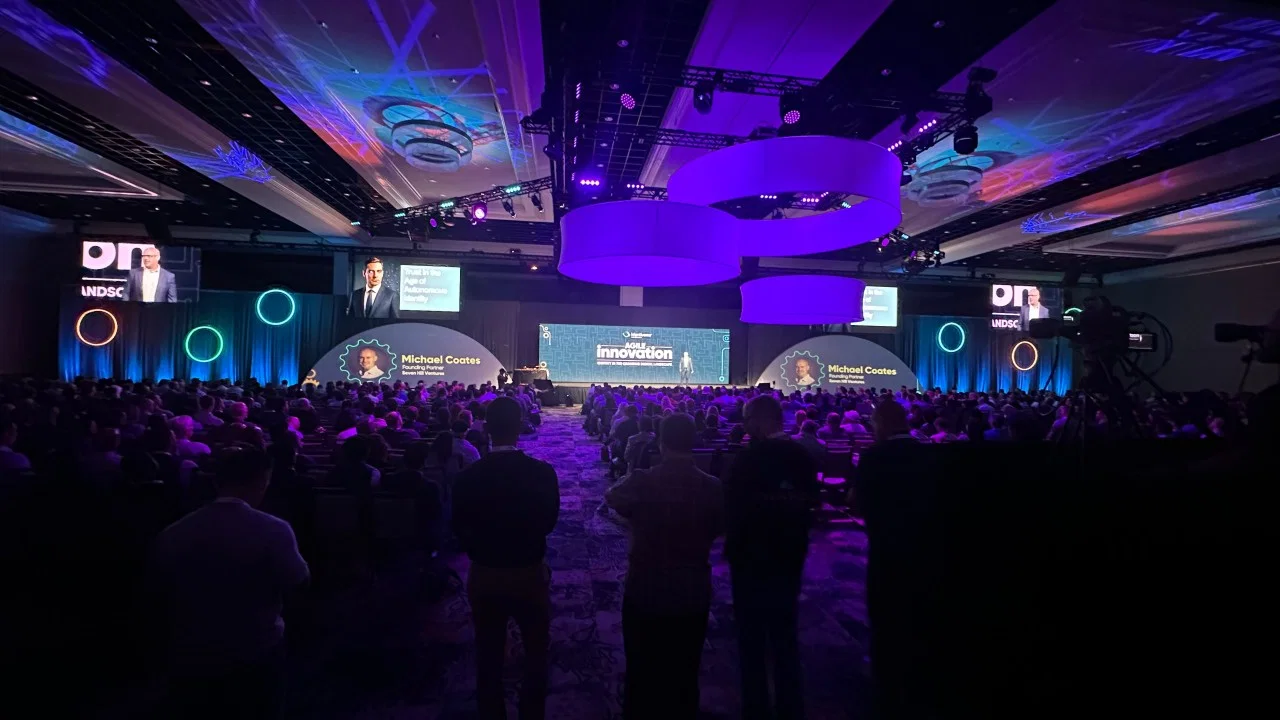
Builds the technical plan around speaker flow, rehearsal needs, cue timing, room layout, and sponsor visibility.
Checks pixel pitch, rigging, power, content format, sightlines, and service access before video becomes the room centerpiece.
Maps fixtures, outlets, load needs, cable paths, accent lighting, and order deadlines before the floor plan locks.
Controls carrier timing, labels, marshaling, advance receiving, dock movement, and return freight before crates start moving.
Stages assets, inspection, consolidation, labeling, repair checks, and delivery timing so the venue receives what it needs.
Protects reusable exhibit pieces with measured crates, handling notes, packing order, condition tracking, and return instructions.
Keeps assets ready between events through inventory review, repairs, graphic refreshes, cleaning, and next date planning.
Connects guest flow, staffing, demos, sampling, sponsor requirements, and technical support to the live activation goal.
Shapes reveal timing, demo control, press moments, lighting, display surfaces, and staff roles around a clear launch sequence.
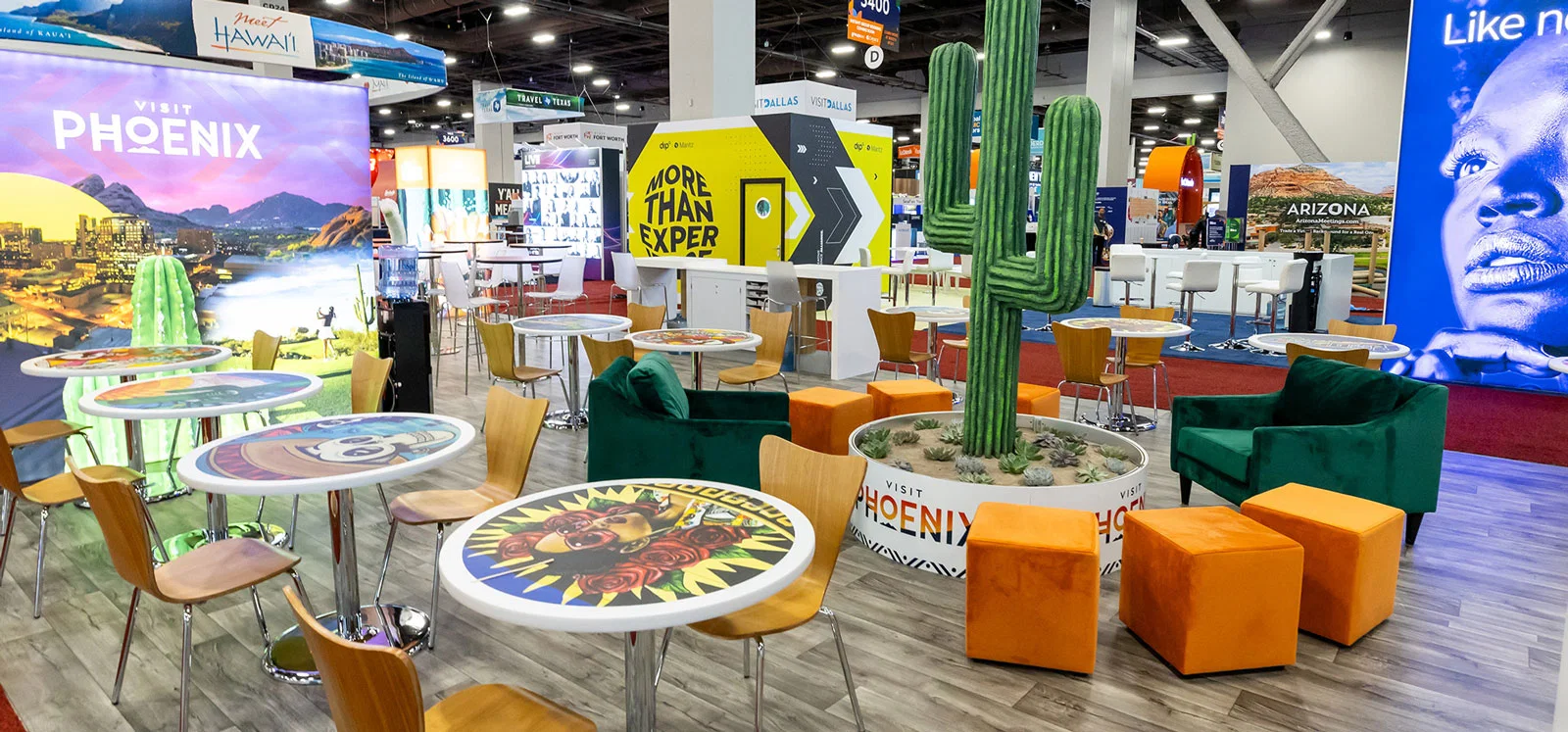
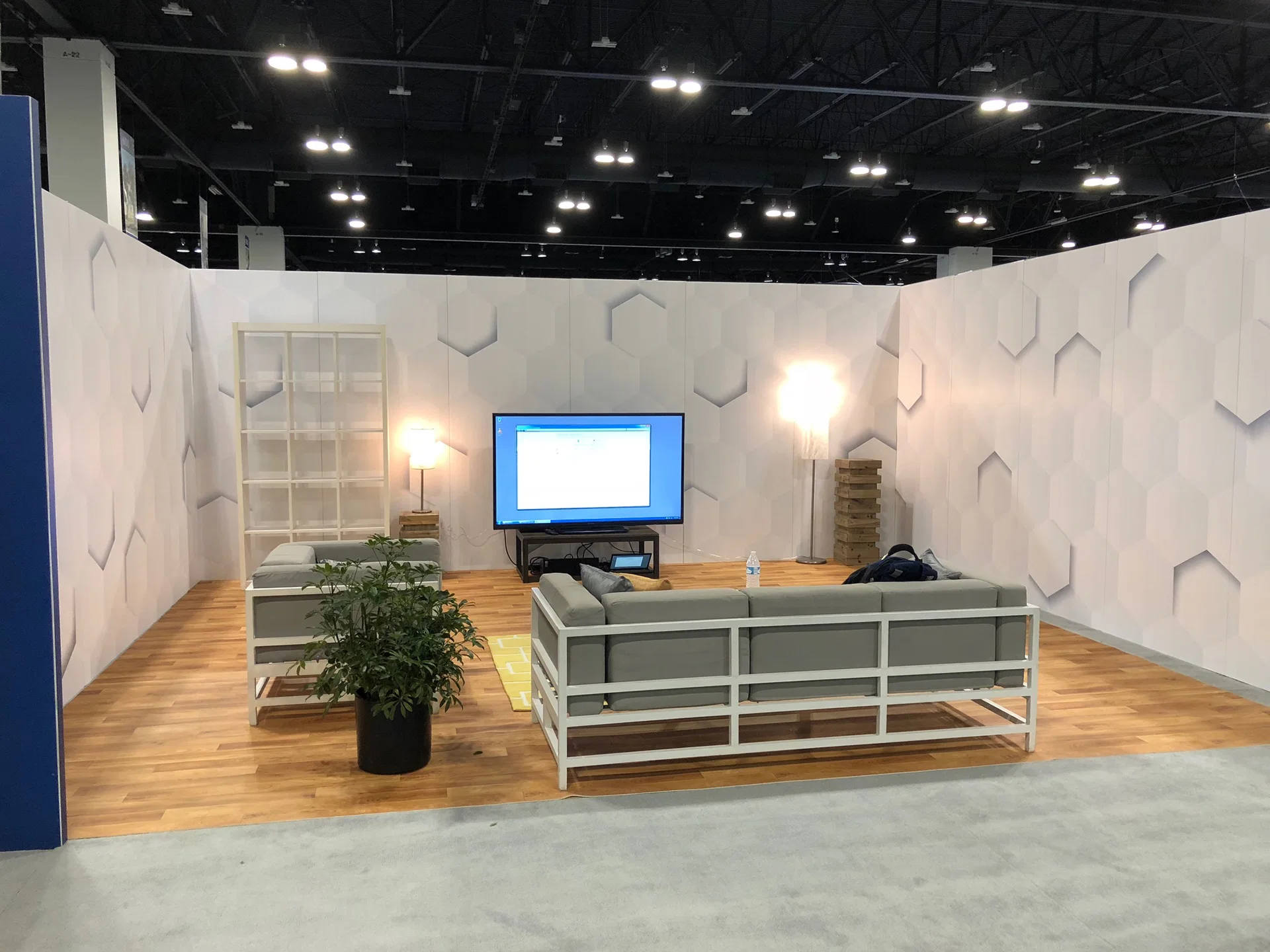
Extends the brand through lounges, registration, sponsor areas, wayfinding, meeting zones, and production details beyond the booth.
Turns sponsor promises into built locations, measurable visibility, technical requirements, staffing needs, and clean handoff points.
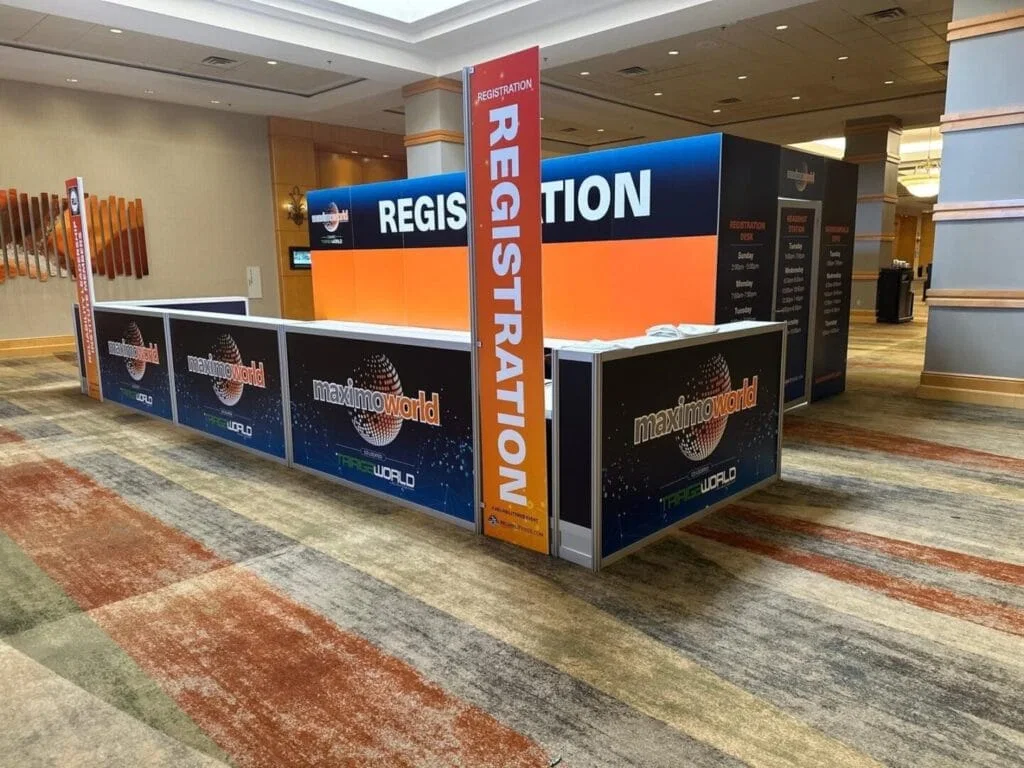
Plans queues, counters, signage, badge support, staff positions, and first impressions so arrivals feel organized.
Service work should be scoped by the decisions that change cost and schedule: who owns approvals, where freight enters, how labor is sequenced, what graphics and AV require, and how closeout will be handled after the floor closes.
Washington programs move through convention-center halls, headquarters hotels, federal-core buildings, National Harbor resorts, Arlington venues, Alexandria properties, and close-in Maryland districts. Access rules, security posture, loading routes, service deadlines, and guest movement can change from one setting to another.
The strongest service plan separates venue-controlled work from exhibitor-owned decisions, then ties both sides to one production calendar before orders, drawings, and vendor holds are released.
A Washington service plan has to name the owner for every critical handoff: design, approvals, freight release, labor calls, service orders, graphics, AV, installation, live support, dismantle, and return logistics.
When those responsibilities are settled early, the field team can work from a real operating plan instead of chasing answers while the floor is already active.
Downtown convention-center work, federal-core receptions, National Landing meetings, National Harbor resort programs, and Maryland or Northern Virginia overflow all place different pressure on labor, routing, security, and timing.
The right service scope should show what has to be confirmed first, what can wait, what belongs to the venue or organizer, and what the exhibitor team must own directly.
A useful brief should make the hard decisions visible: deadlines, room flow, sponsor needs, load-in access, utility orders, storage, staffing, and closeout all need owners before the schedule gets compressed.
The goal is a scope that production can execute without ambiguity, with known friction points already accounted for and a clear escalation path when conditions change.
Planner questions
Confirm the venue, show manual, footprint, service deadlines, freight path, labor assumptions, graphics status, AV needs, and the person who owns field escalation.
The market includes convention-center work, federal and association calendars, headquarters hotels, National Harbor, Arlington, Alexandria, and nearby Maryland or Virginia districts. Those conditions affect access, timing, vendors, and stakeholder expectations.
Separate conversations for graphics, freight, labor, AV, and venue approvals. Those pieces affect one another and need one coordinated schedule.
Ready to brief your project?
Share the venue, date, booth footprint, and priorities. We can align labor, freight, graphics, AV, approvals, and show-site responsibilities before deadlines stack up.