What capability matters first on a complex DC program?
Ownership matters first. Once the decision path is clear, labor, freight, AV, graphics, service orders, and field supervision can be coordinated more reliably.
Capabilities
Capability planning should clarify ownership, governance, compliance, escalation, and multi-vendor control before Washington show-week pressure arrives.
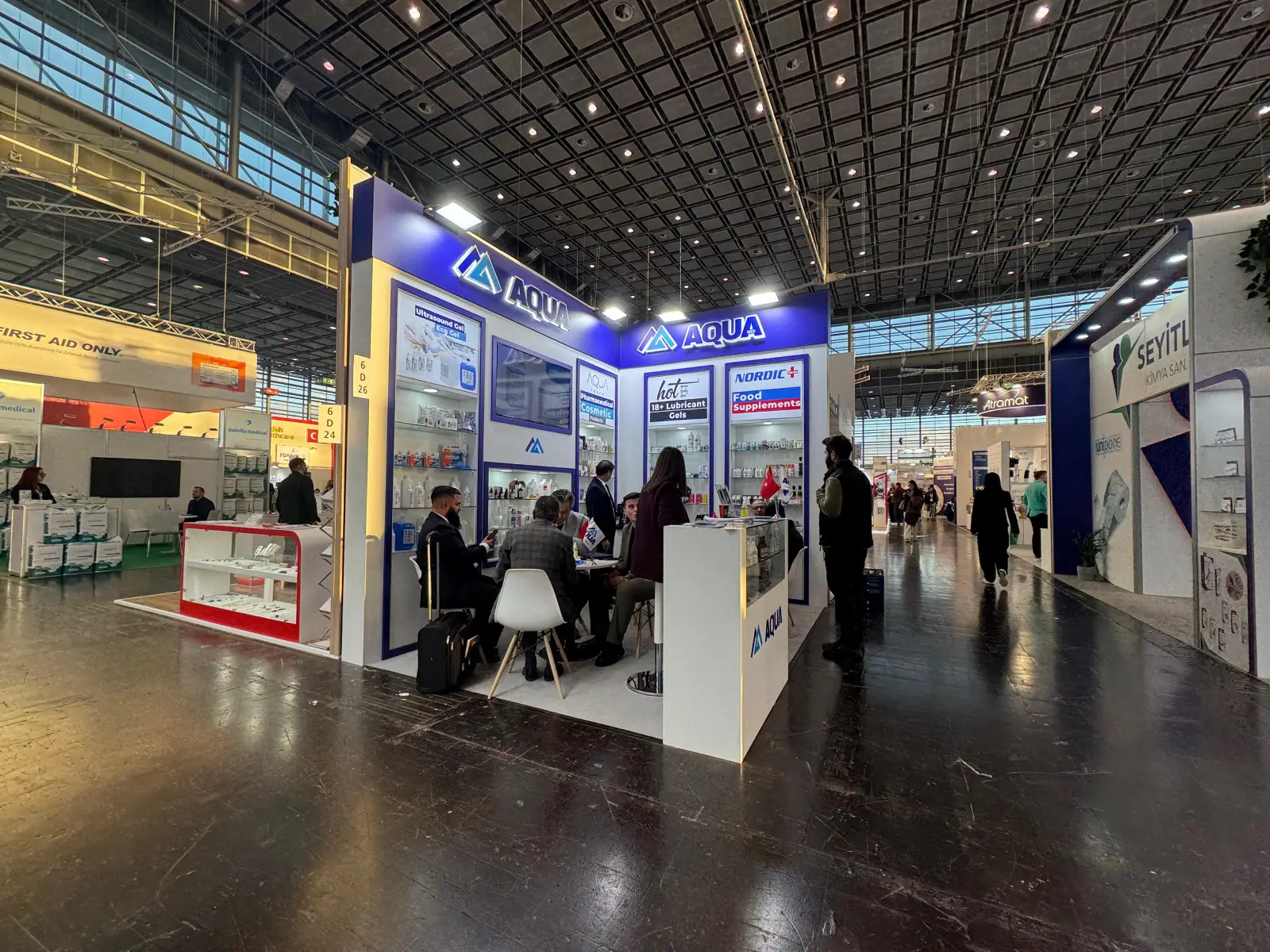
Exhibit Program Management defines ownership, escalation, approvals, and field control when the schedule has tight approvals, giving multi-vendor Washington programs a steadier operating model so crews, vendors, and client teams work from the same plan.
Multi-Show Rollout Support defines ownership, escalation, approvals, and field control when move-in timing needs fewer surprises, giving multi-vendor Washington programs a steadier operating model while keeping budget, timing, and attendee flow visible.
Exhibitor-Appointed Contractor Coordination defines ownership, escalation, approvals, and field control when stakeholders need a clear operating path, giving multi-vendor Washington programs a steadier operating model so the finished exhibit supports the actual audience in the room.
Venue Compliance and Show Services Management defines ownership, escalation, approvals, and field control when the venue plan has to stay readable, giving multi-vendor Washington programs a steadier operating model with closeout and reuse planned before dismantle starts.
Labor and Workrule Planning defines ownership, escalation, approvals, and field control when field decisions cannot wait until show week, giving multi-vendor Washington programs a steadier operating model with cleaner handoffs before the floor opens.
Security, Badge, and Loading Dock Coordination defines ownership, escalation, approvals, and field control when freight, labor, and graphics have to land in sequence, giving multi-vendor Washington programs a steadier operating model without turning every late detail into an emergency.
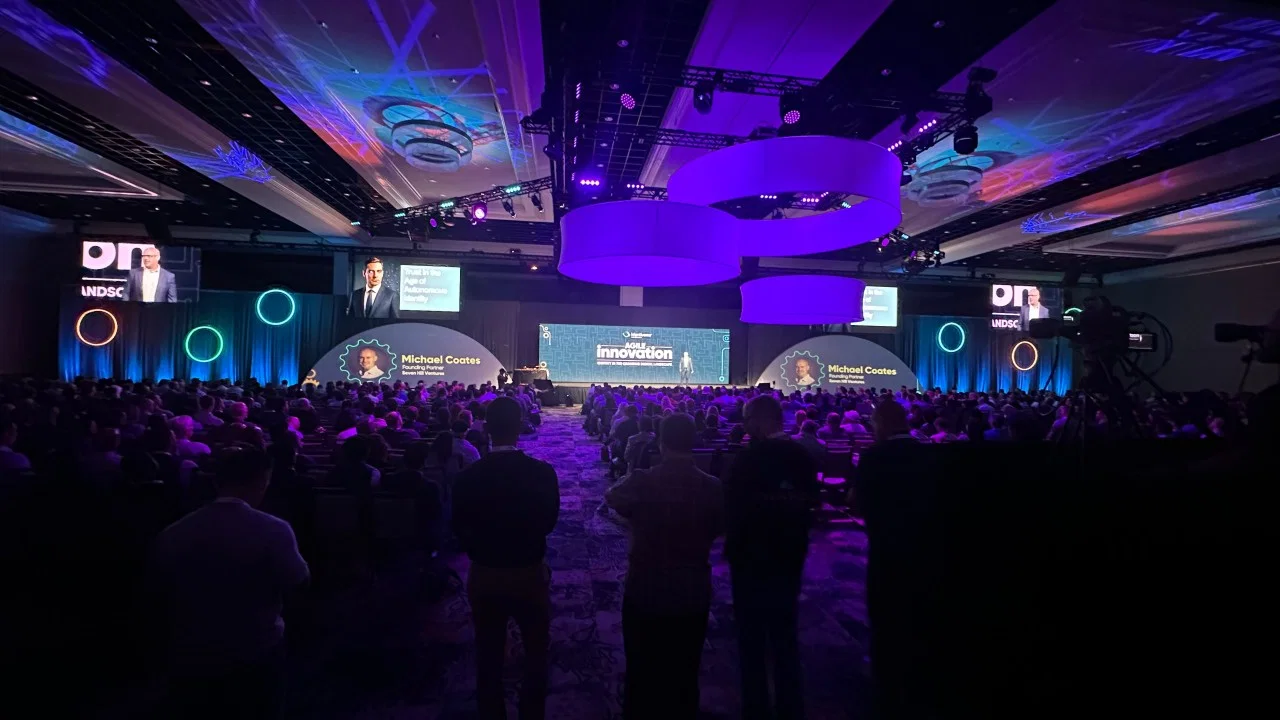
General Session and Conference Production defines ownership, escalation, approvals, and field control when the schedule has tight approvals, giving multi-vendor Washington programs a steadier operating model so crews, vendors, and client teams work from the same plan.
On-Site Project Governance defines ownership, escalation, approvals, and field control when move-in timing needs fewer surprises, giving multi-vendor Washington programs a steadier operating model while keeping budget, timing, and attendee flow visible.
Capabilities define how the work is controlled. Program management, rollout support, EAC coordination, compliance management, labor planning, security coordination, general-session production, and on-site governance all reduce different kinds of execution risk.
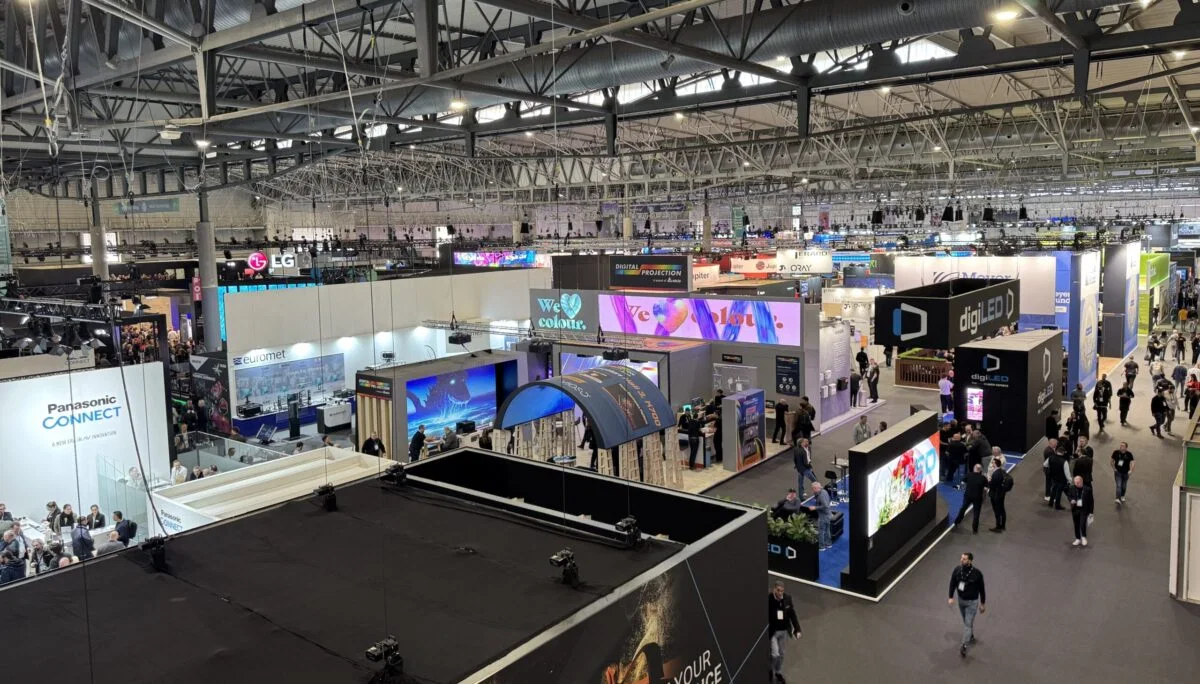
Washington programs move through convention-center halls, headquarters hotels, federal-core buildings, National Harbor resorts, Arlington venues, Alexandria properties, and close-in Maryland districts. Access rules, security posture, loading routes, service deadlines, and guest movement can change from one setting to another.
The strongest capability plan names who decides, who approves, who escalates, and how field teams coordinate when venue conditions or stakeholder needs change.
Capability planning starts with control. The team needs to know who owns approvals, who manages vendor handoffs, who talks to the venue, who resolves field questions, and who can authorize changes when the schedule moves.
That ownership model keeps multi-vendor programs from becoming disconnected conversations during the busiest parts of show week.
Washington venues can involve organizer rules, house providers, security requirements, work windows, and labor assumptions that have to be handled before the crew arrives.
A capable plan keeps those requirements visible and ties them to production so drawings, freight, graphics, AV, and staffing do not drift away from the building conditions.
The right capability layer makes the project easier to execute because decisions are not scattered across email threads, vendor calls, and show-site improvisation.
When ownership is clear, the team can react faster without losing schedule, budget, or finish quality.
Planner questions
Ownership matters first. Once the decision path is clear, labor, freight, AV, graphics, service orders, and field supervision can be coordinated more reliably.
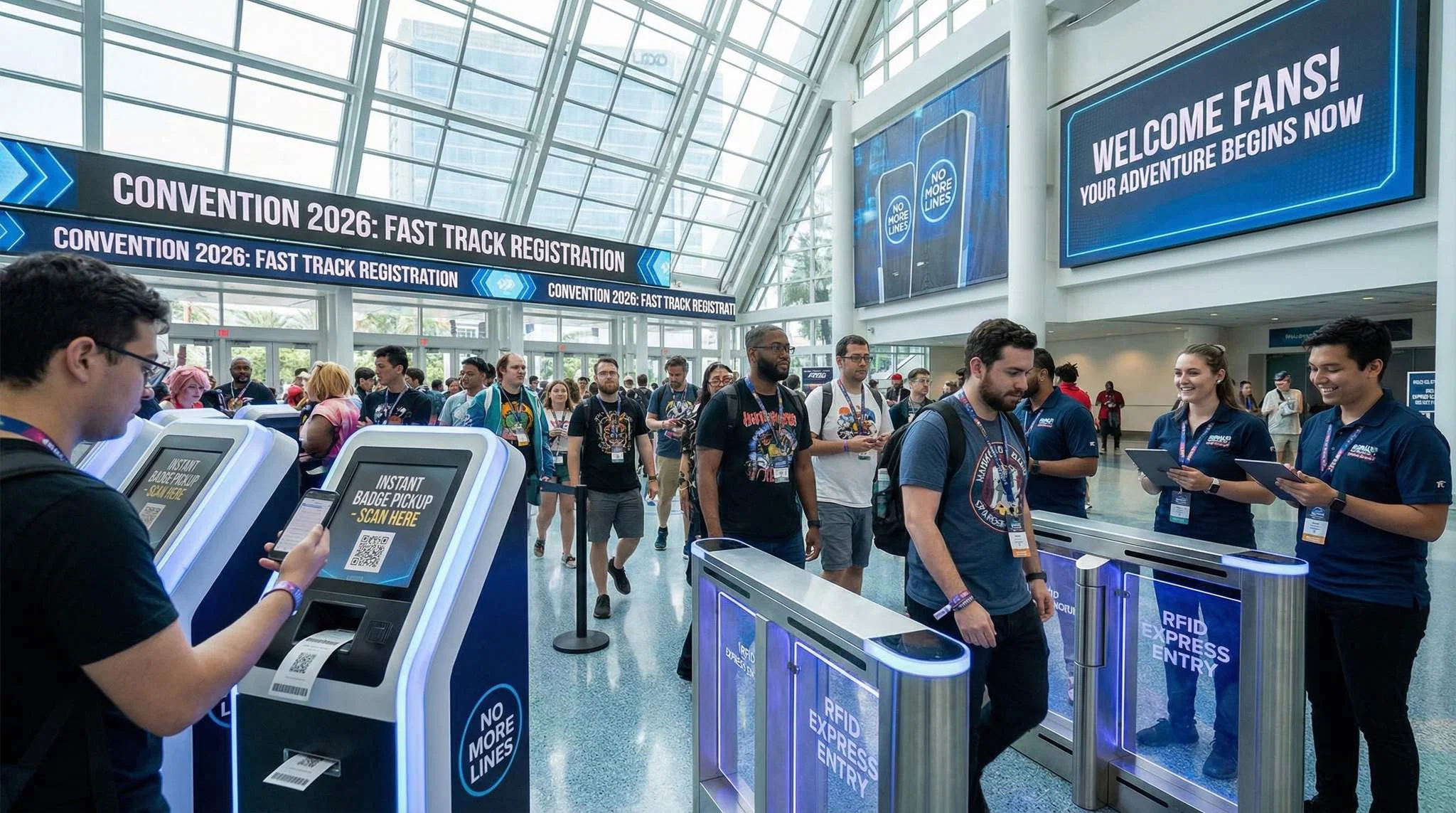
Contractor permissions, badges, labor rules, insurance, service deadlines, and organizer requirements can affect whether a team can work on the floor as planned.
The field lead knows the schedule, venue contacts, vendor responsibilities, approval path, open risks, and closeout plan before the first move-in window starts.
Ready to brief your project?
Share the venue, date, booth footprint, and priorities. We can align labor, freight, graphics, AV, approvals, and show-site responsibilities before deadlines stack up.