What should drive the event format plan?
Audience movement, venue rules, program goals, sponsor needs, technical moments, staffing, service deadlines, and closeout requirements should drive the plan.
Event Types
Event format planning should match room flow, audience expectations, technical pacing, sponsor needs, staffing, and follow-up before the schedule tightens.
Trade Show Services sets the room rhythm, staffing model, sponsor pressure, and technical pacing when the schedule has tight approvals, so production decisions match the live audience moment so crews, vendors, and client teams work from the same plan.
Conference Services sets the room rhythm, staffing model, sponsor pressure, and technical pacing when move-in timing needs fewer surprises, so production decisions match the live audience moment while keeping budget, timing, and attendee flow visible.
Expo Services sets the room rhythm, staffing model, sponsor pressure, and technical pacing when stakeholders need a clear operating path, so production decisions match the live audience moment so the finished exhibit supports the actual audience in the room.
Convention Services sets the room rhythm, staffing model, sponsor pressure, and technical pacing when the venue plan has to stay readable, so production decisions match the live audience moment with closeout and reuse planned before dismantle starts.
Product Launch Services sets the room rhythm, staffing model, sponsor pressure, and technical pacing when field decisions cannot wait until show week, so production decisions match the live audience moment with cleaner handoffs before the floor opens.
Brand Activation Services sets the room rhythm, staffing model, sponsor pressure, and technical pacing when freight, labor, and graphics have to land in sequence, so production decisions match the live audience moment without turning every late detail into an emergency.
Corporate Event Services sets the room rhythm, staffing model, sponsor pressure, and technical pacing when the schedule has tight approvals, so production decisions match the live audience moment so crews, vendors, and client teams work from the same plan.
Roadshow Services sets the room rhythm, staffing model, sponsor pressure, and technical pacing when move-in timing needs fewer surprises, so production decisions match the live audience moment while keeping budget, timing, and attendee flow visible.
Sponsorship Activation Services sets the room rhythm, staffing model, sponsor pressure, and technical pacing when stakeholders need a clear operating path, so production decisions match the live audience moment so the finished exhibit supports the actual audience in the room.
Pop-Up Event Services sets the room rhythm, staffing model, sponsor pressure, and technical pacing when the venue plan has to stay readable, so production decisions match the live audience moment with closeout and reuse planned before dismantle starts.
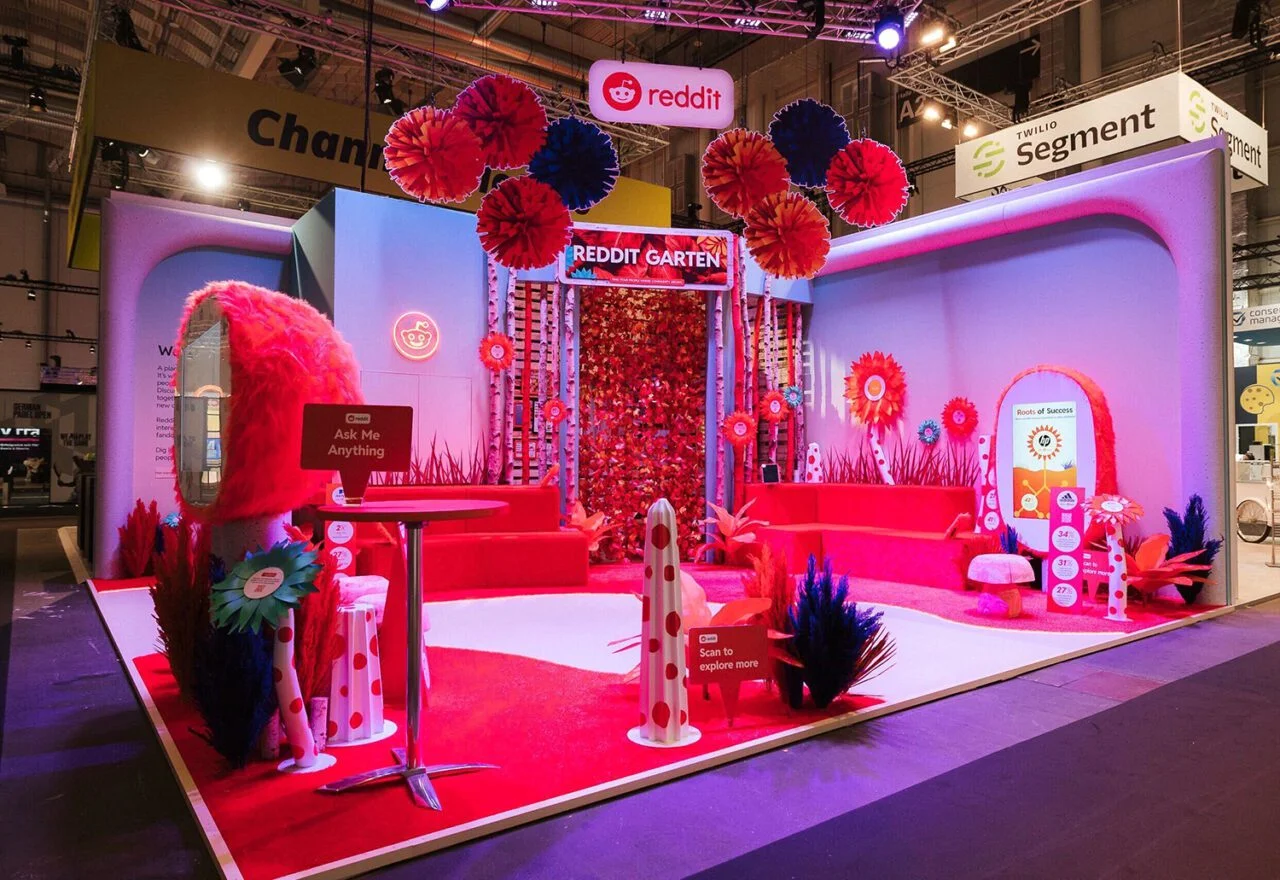
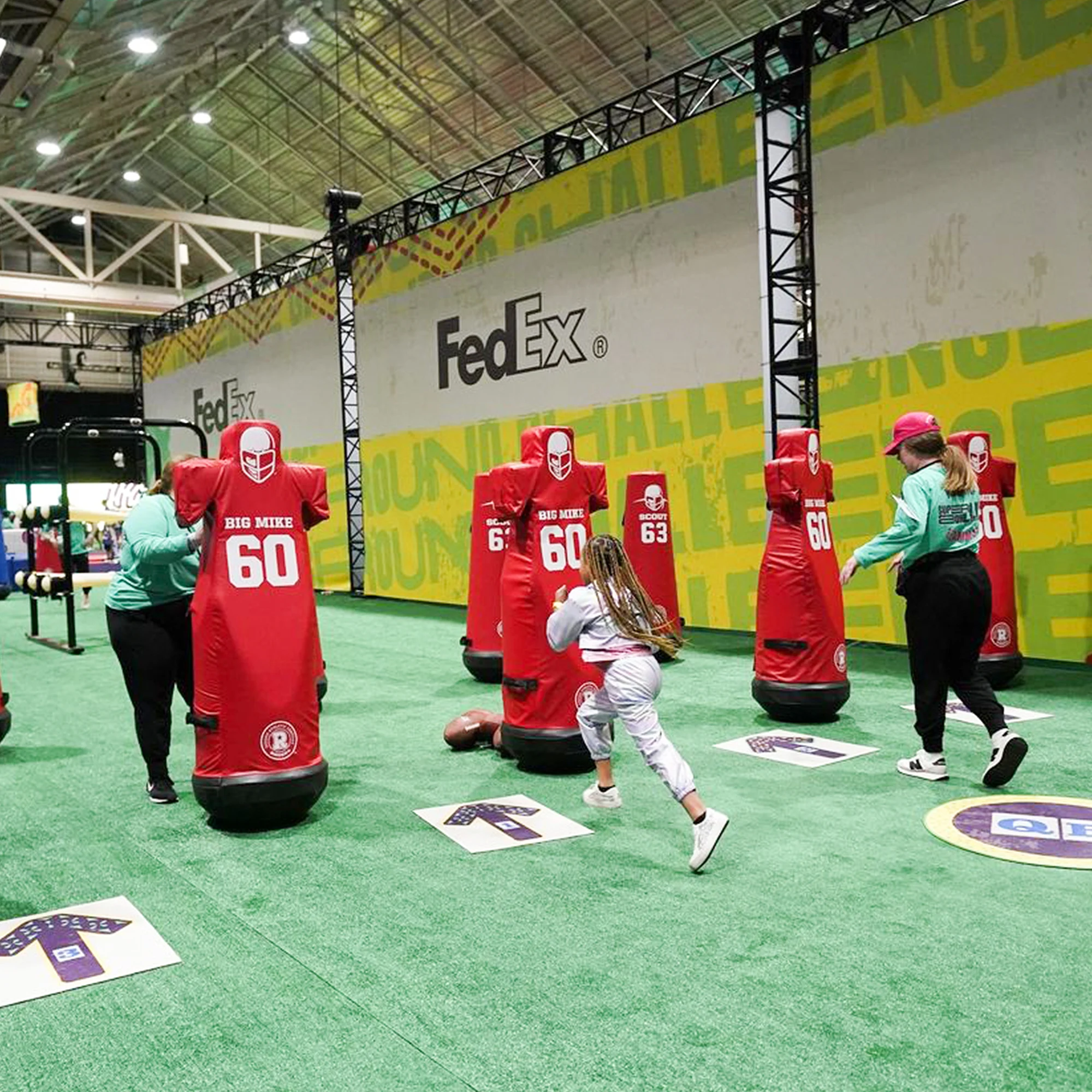
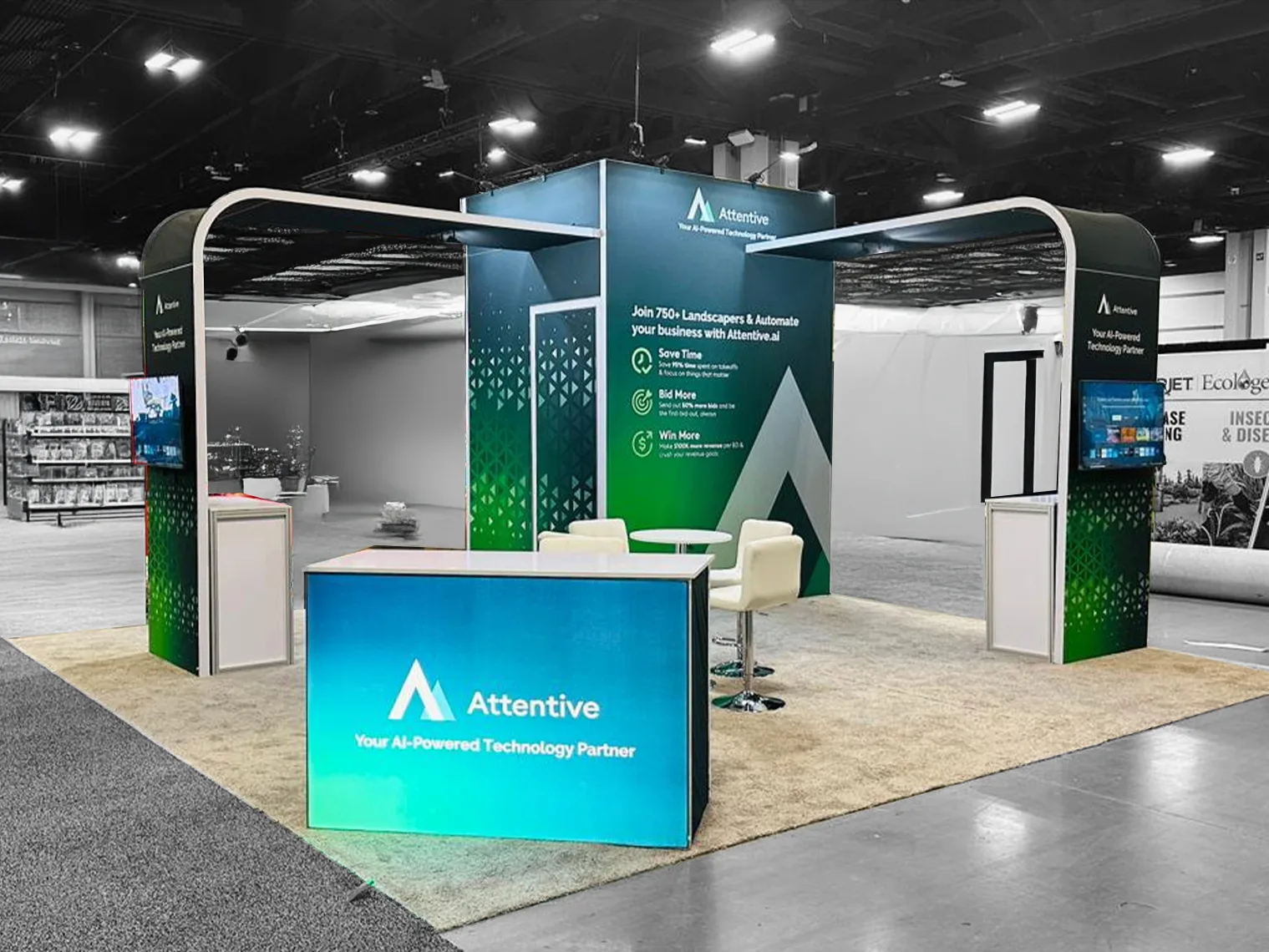
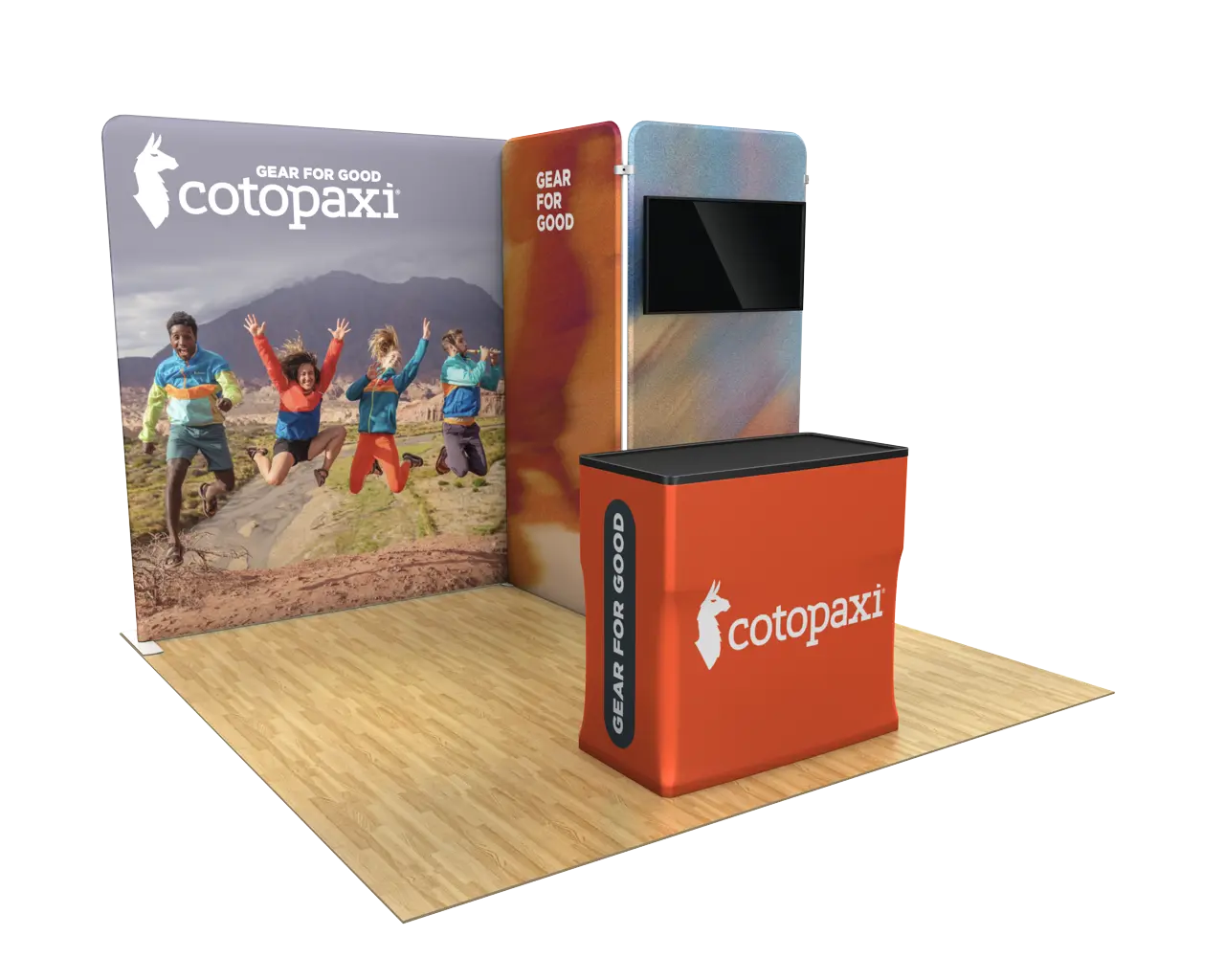
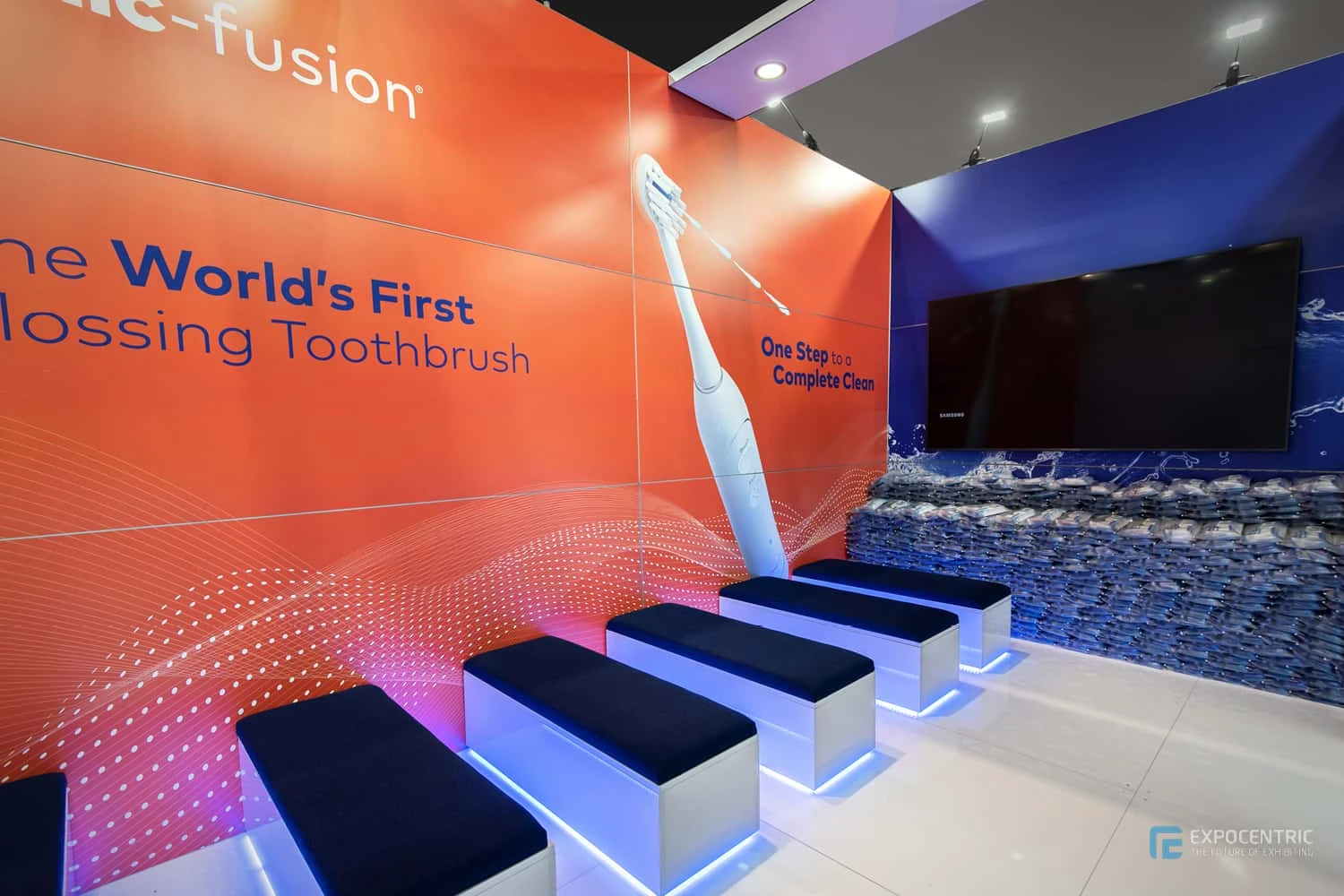
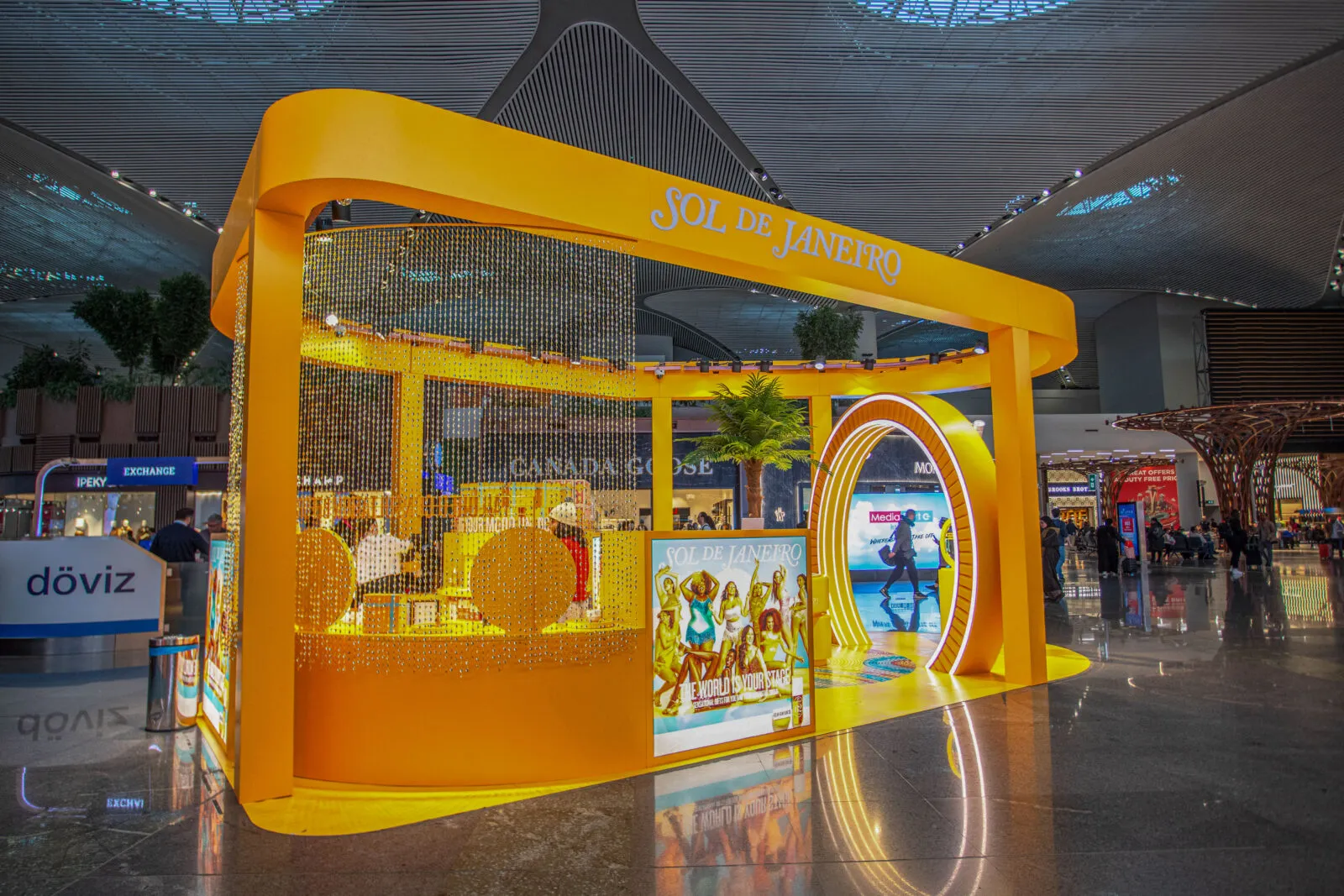
A trade show, conference, product launch, roadshow, sponsor activation, and pop-up event each place different pressure on the space. The format determines how people move, where attention lands, and which technical moments cannot fail.
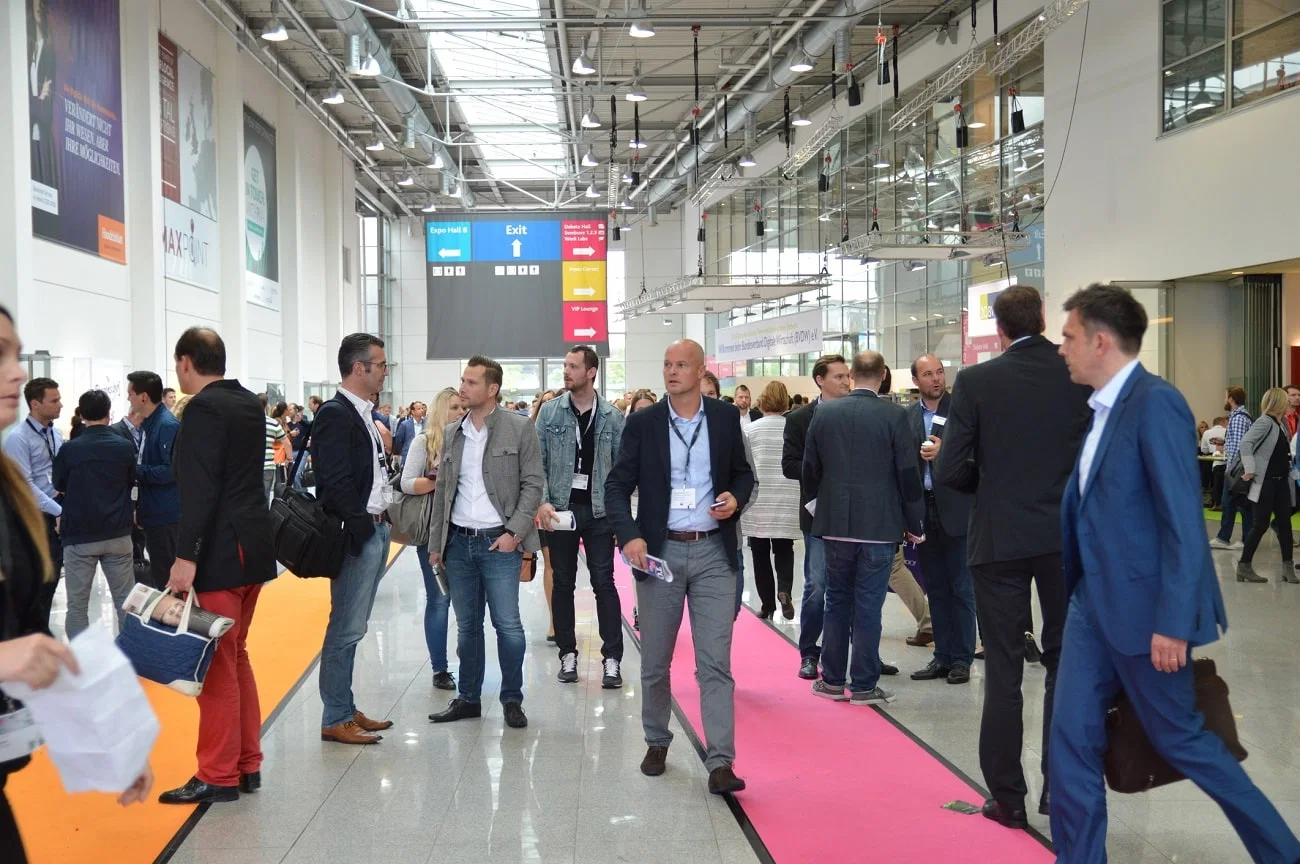
Washington programs move through convention-center halls, headquarters hotels, federal-core buildings, National Harbor resorts, Arlington venues, Alexandria properties, and close-in Maryland districts. Access rules, security posture, loading routes, service deadlines, and guest movement can change from one setting to another.
A strong event plan ties the format to the venue, audience, run of show, service deadlines, AV needs, staffing, and closeout before the live date gets close.
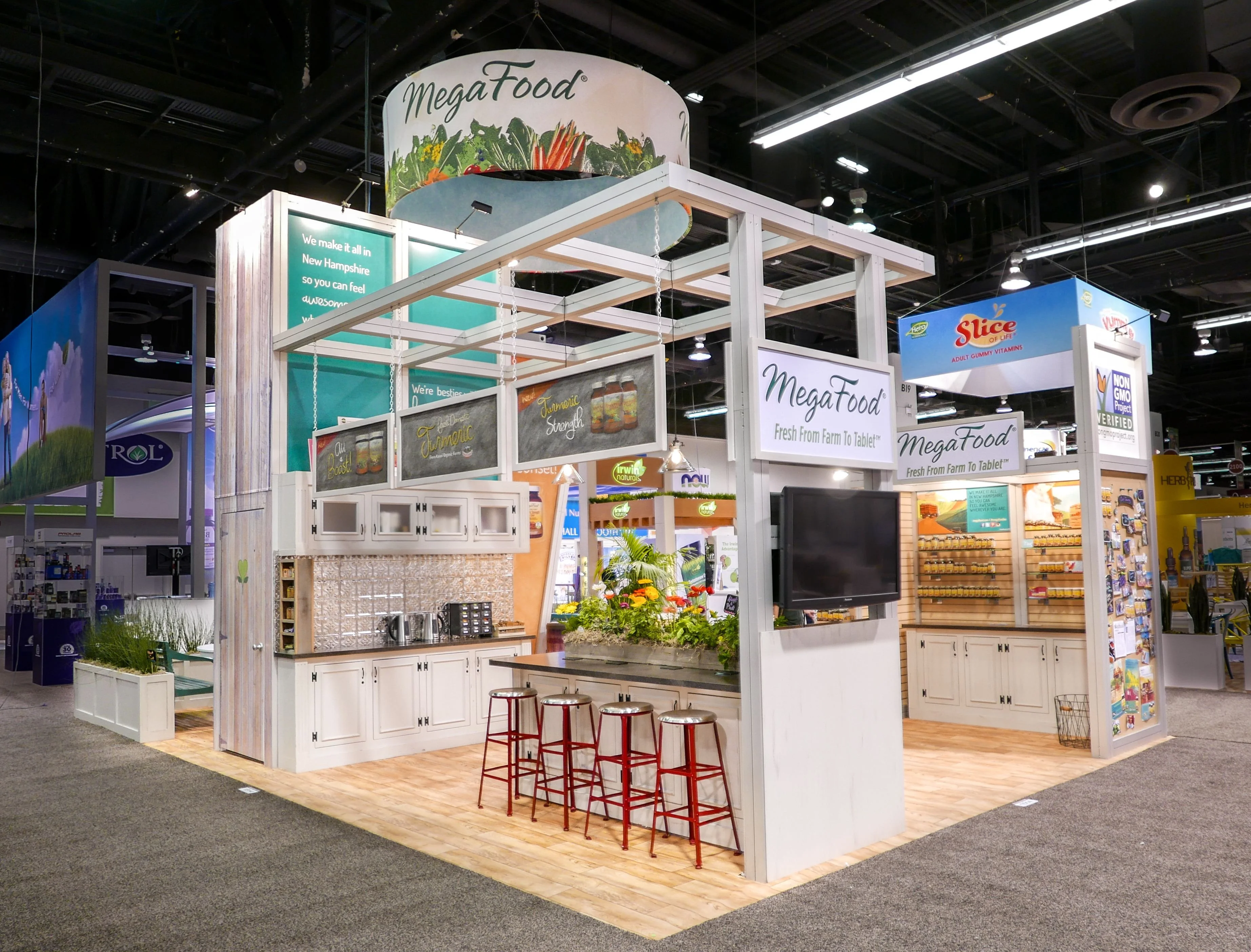
The format determines whether the environment needs selling space, education space, demo space, hospitality space, registration flow, sponsor visibility, or a mix of all of those elements.
That audience movement should shape the footprint, signage, staffing, AV, furniture, and schedule before production starts.
Different event formats create different technical pressure. A keynote, demo counter, sponsor theater, media moment, and hospitality lounge all need the right power, playback, sightlines, lighting, and staffing.
When those moments are planned together, the crew can build for the actual audience path instead of treating AV, graphics, and staffing as separate pieces.
Before orders are released, the format should be clear enough to answer what the audience does first, what staff must support, which technical elements must be tested, and what success looks like after closeout.
That clarity protects the budget and gives the field team fewer assumptions to resolve during live hours.
Planner questions
Audience movement, venue rules, program goals, sponsor needs, technical moments, staffing, service deadlines, and closeout requirements should drive the plan.
Early. Screens, sound, lighting, internet, recording, demo equipment, and rehearsal timing can change drawings, power orders, labor needs, and the final floor plan.
Unclear audience flow and late technical decisions. Those two issues can affect staffing, signage, furniture, power, demos, and live presentation quality.
Ready to brief your project?
Share the venue, date, booth footprint, and priorities. We can align labor, freight, graphics, AV, approvals, and show-site responsibilities before deadlines stack up.