
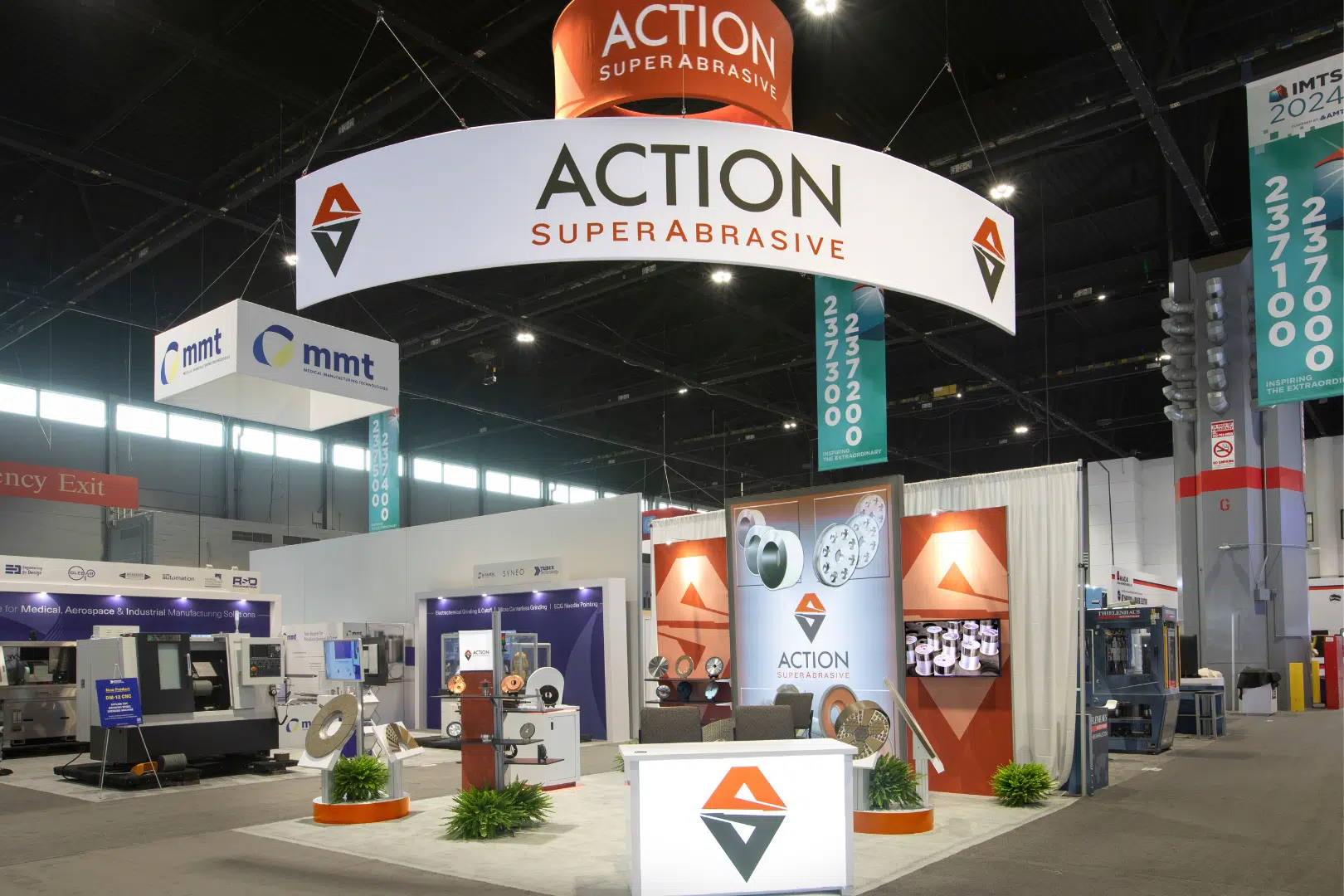
What changes most by industry?
Buyer expectations, compliance review, demo needs, staffing, proof points, technical dependencies, and follow-up expectations usually change by industry.
Industries
Industry planning should match buyer expectations, compliance sensitivity, proof points, demos, staffing, and follow-up to the Washington event environment.
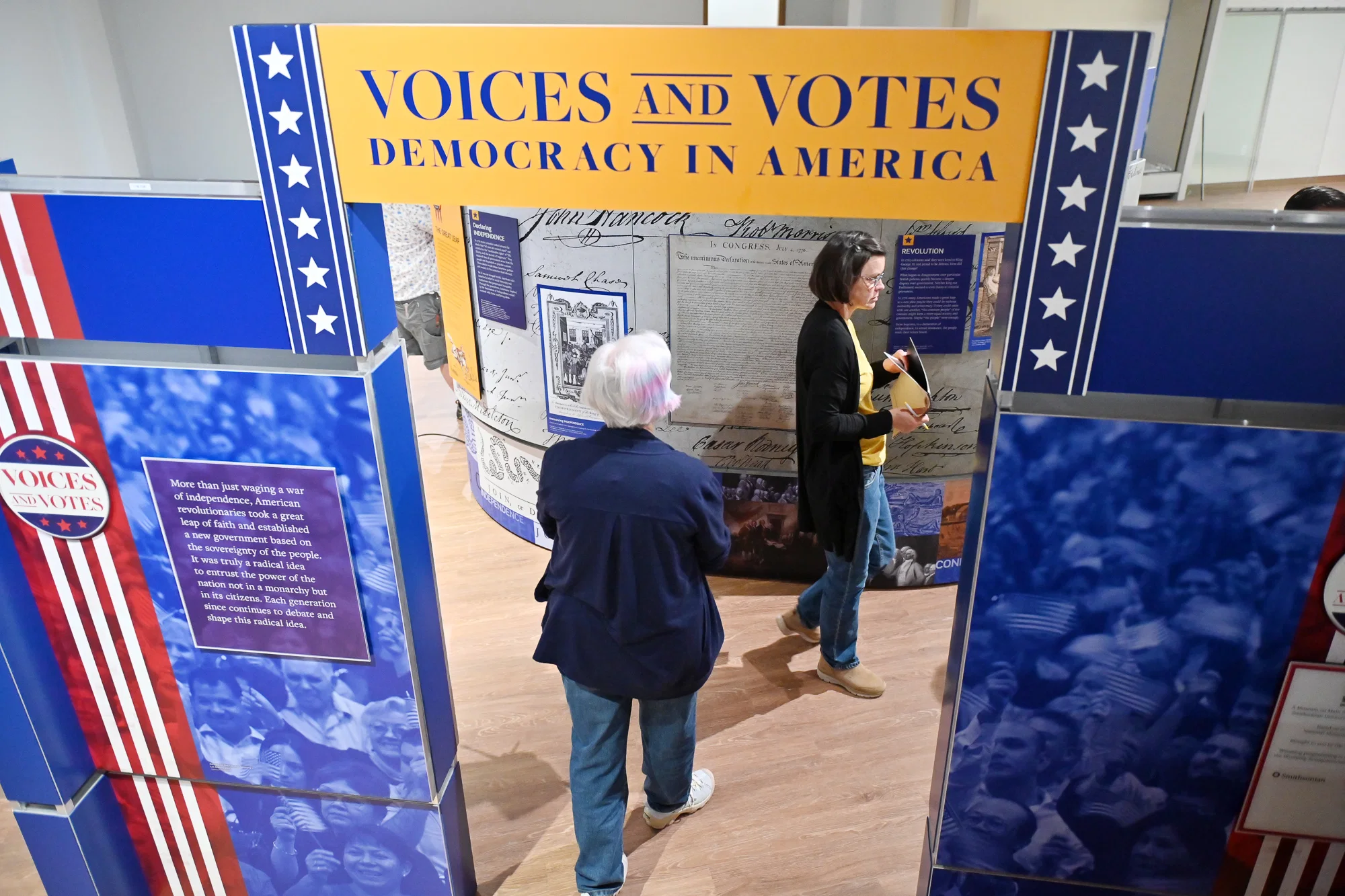
Association and Nonprofit Conference Services changes buyer questions, proof points, demos, staffing, and review steps when the schedule has tight approvals, shaping an exhibit presence that feels credible so crews, vendors, and client teams work from the same plan.
Government and Public Sector Event Services changes buyer questions, proof points, demos, staffing, and review steps when move-in timing needs fewer surprises, shaping an exhibit presence that feels credible while keeping budget, timing, and attendee flow visible.
Defense and Aerospace Exhibit Services changes buyer questions, proof points, demos, staffing, and review steps when stakeholders need a clear operating path, shaping an exhibit presence that feels credible so the finished exhibit supports the actual audience in the room.
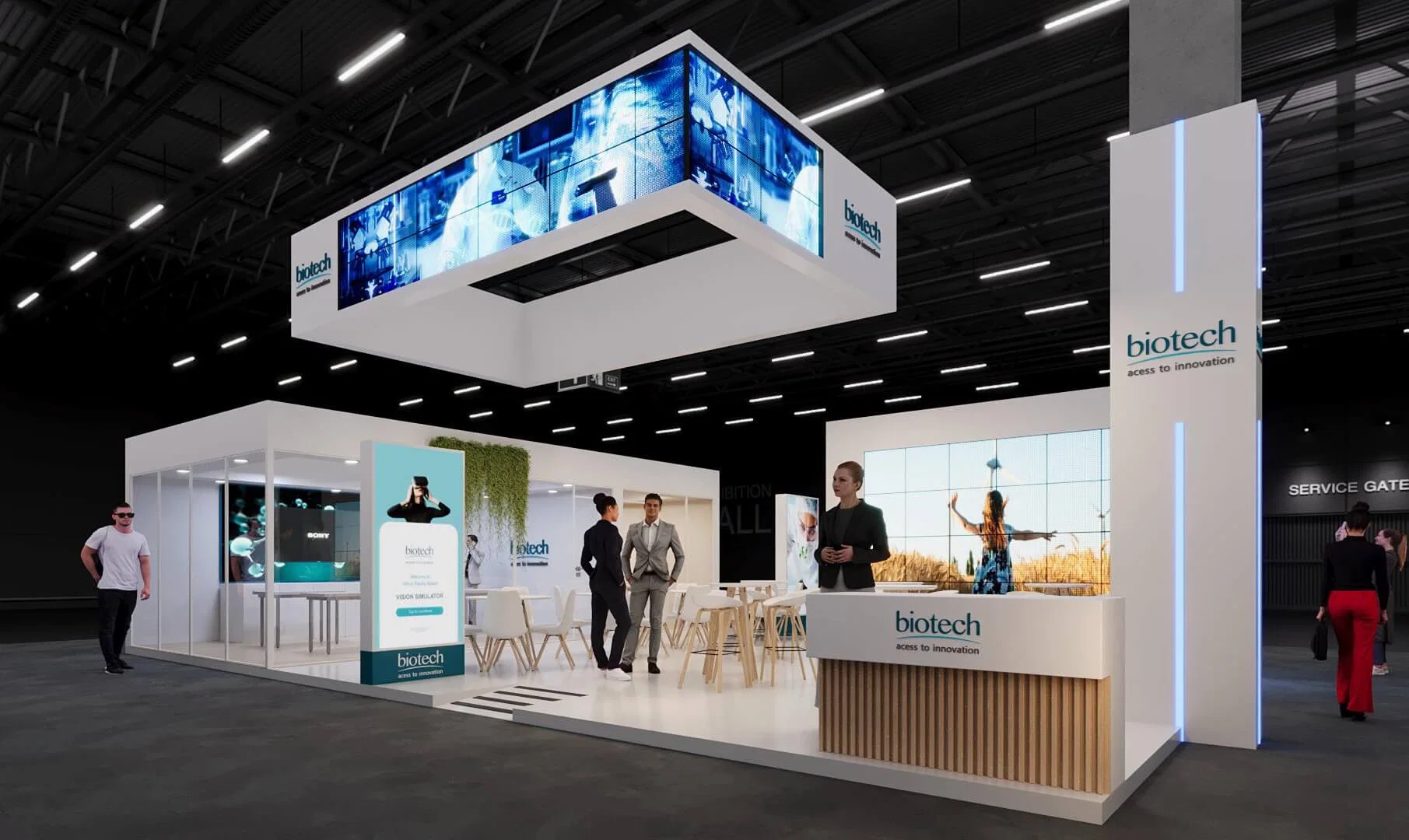
Healthcare and Biotech Trade Show Services changes buyer questions, proof points, demos, staffing, and review steps when the venue plan has to stay readable, shaping an exhibit presence that feels credible with closeout and reuse planned before dismantle starts.
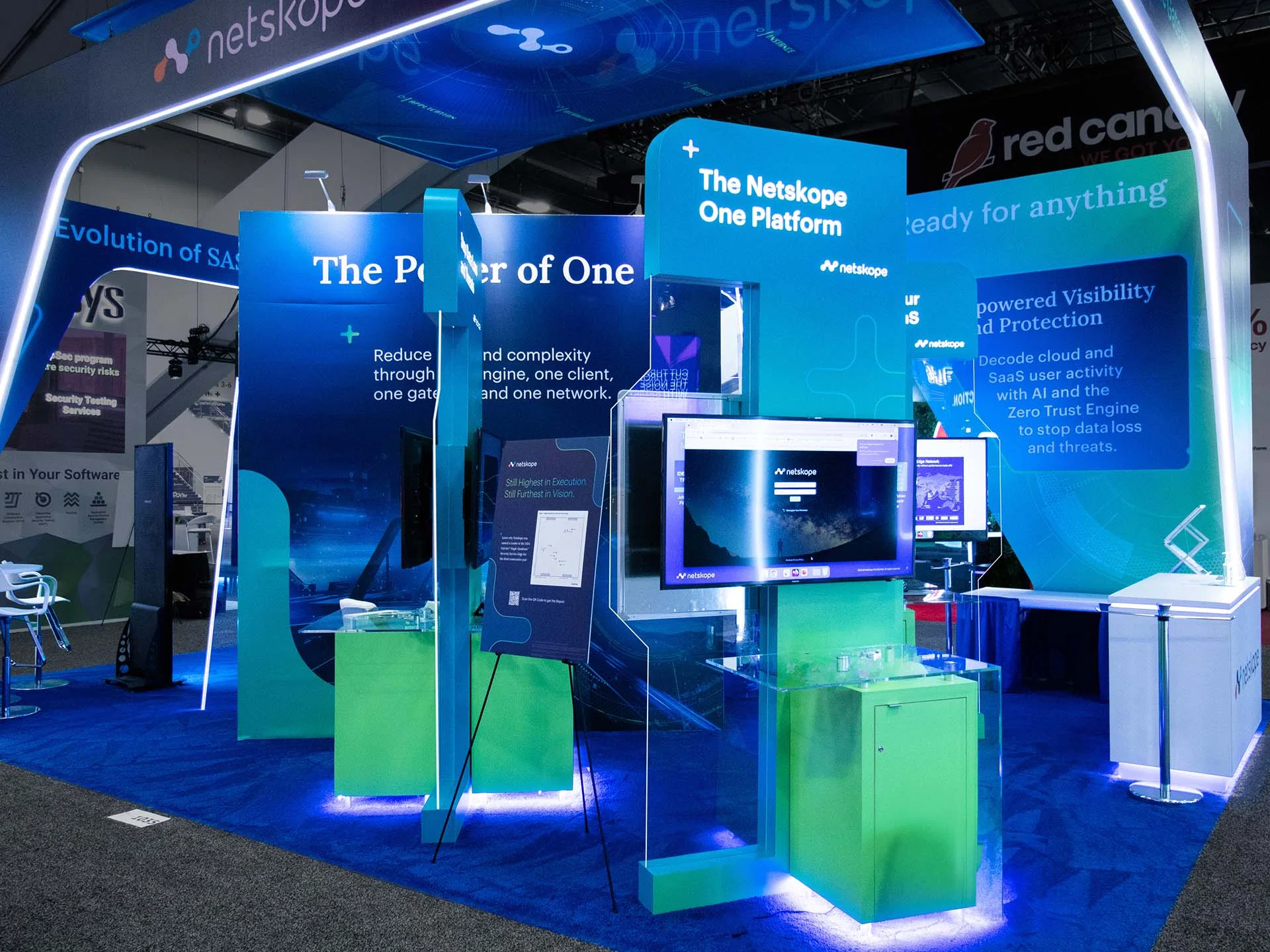
Technology and SaaS Event Services changes buyer questions, proof points, demos, staffing, and review steps when field decisions cannot wait until show week, shaping an exhibit presence that feels credible with cleaner handoffs before the floor opens.
Education and Higher Ed Conference Services changes buyer questions, proof points, demos, staffing, and review steps when freight, labor, and graphics have to land in sequence, shaping an exhibit presence that feels credible without turning every late detail into an emergency.
Energy and Sustainability Expo Services changes buyer questions, proof points, demos, staffing, and review steps when the schedule has tight approvals, shaping an exhibit presence that feels credible so crews, vendors, and client teams work from the same plan.
Finance and Fintech Conference Services changes buyer questions, proof points, demos, staffing, and review steps when move-in timing needs fewer surprises, shaping an exhibit presence that feels credible while keeping budget, timing, and attendee flow visible.
Food and Beverage Trade Show Services changes buyer questions, proof points, demos, staffing, and review steps when stakeholders need a clear operating path, shaping an exhibit presence that feels credible so the finished exhibit supports the actual audience in the room.
Manufacturing and Industrial Expo Services changes buyer questions, proof points, demos, staffing, and review steps when the venue plan has to stay readable, shaping an exhibit presence that feels credible with closeout and reuse planned before dismantle starts.
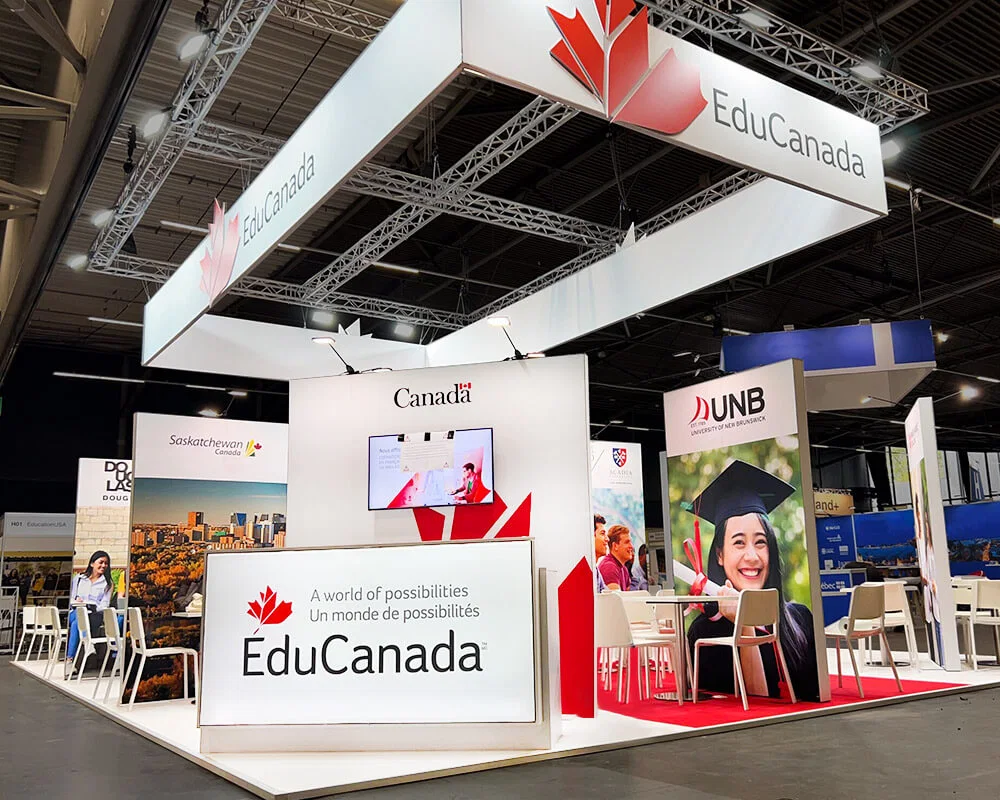
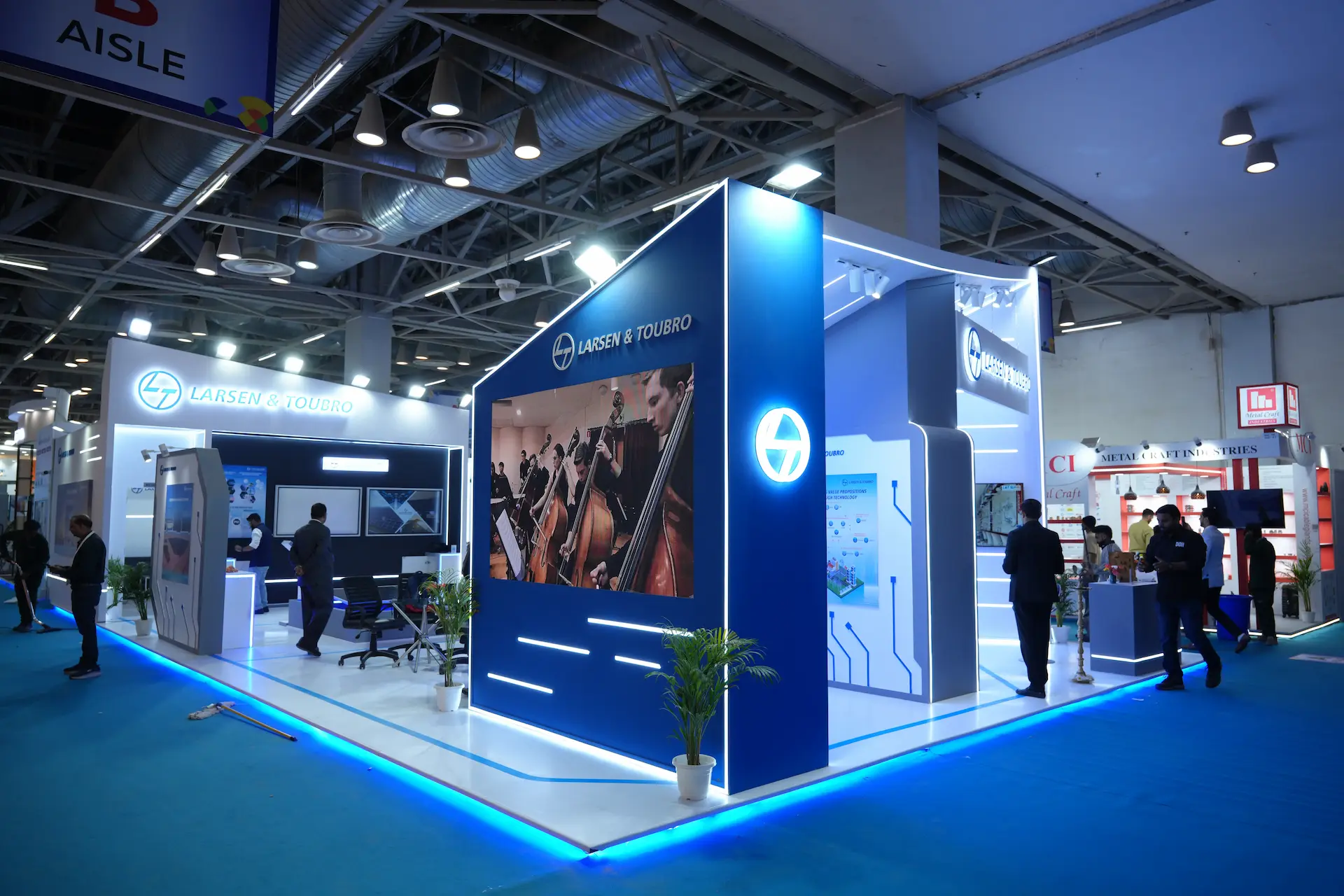
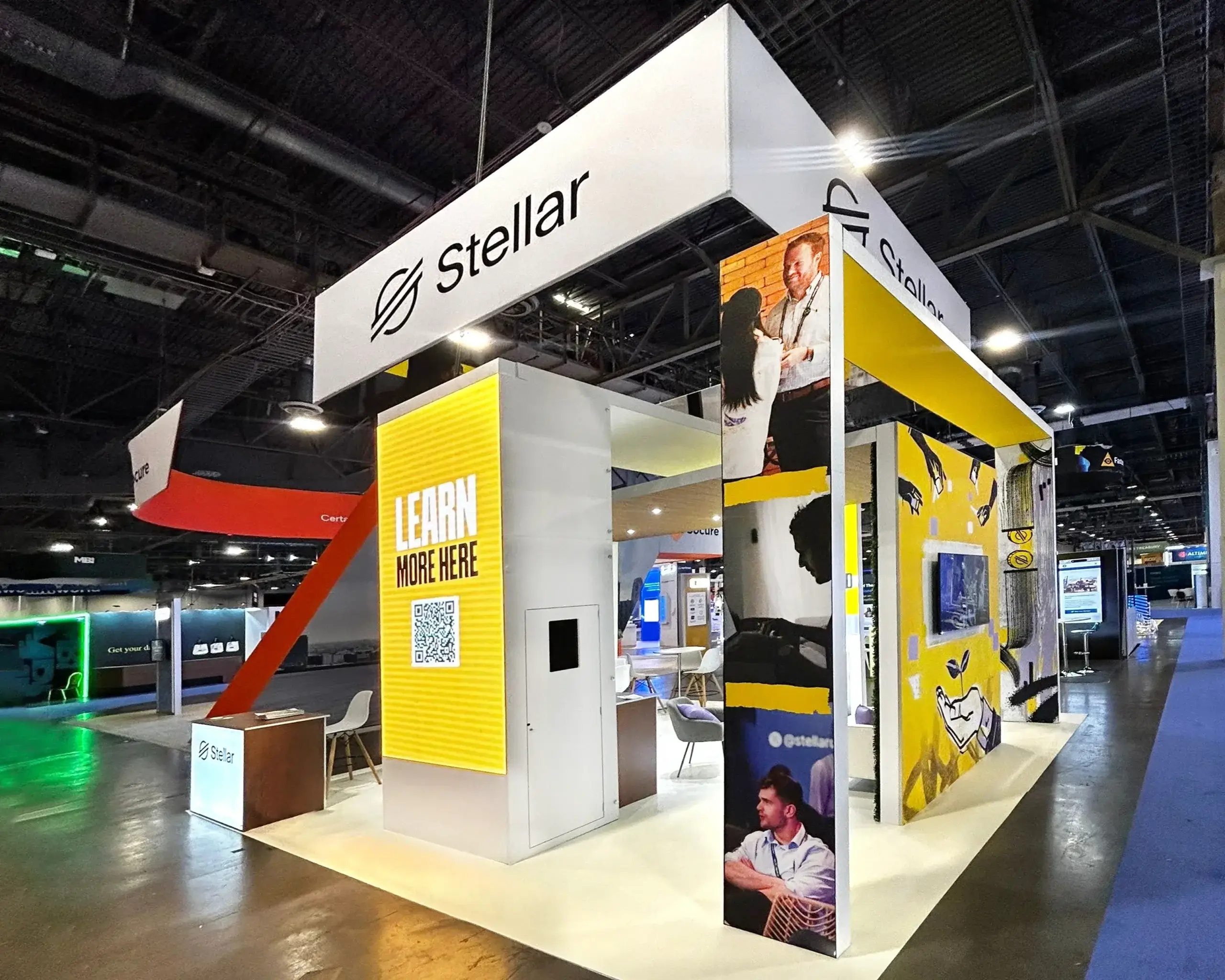
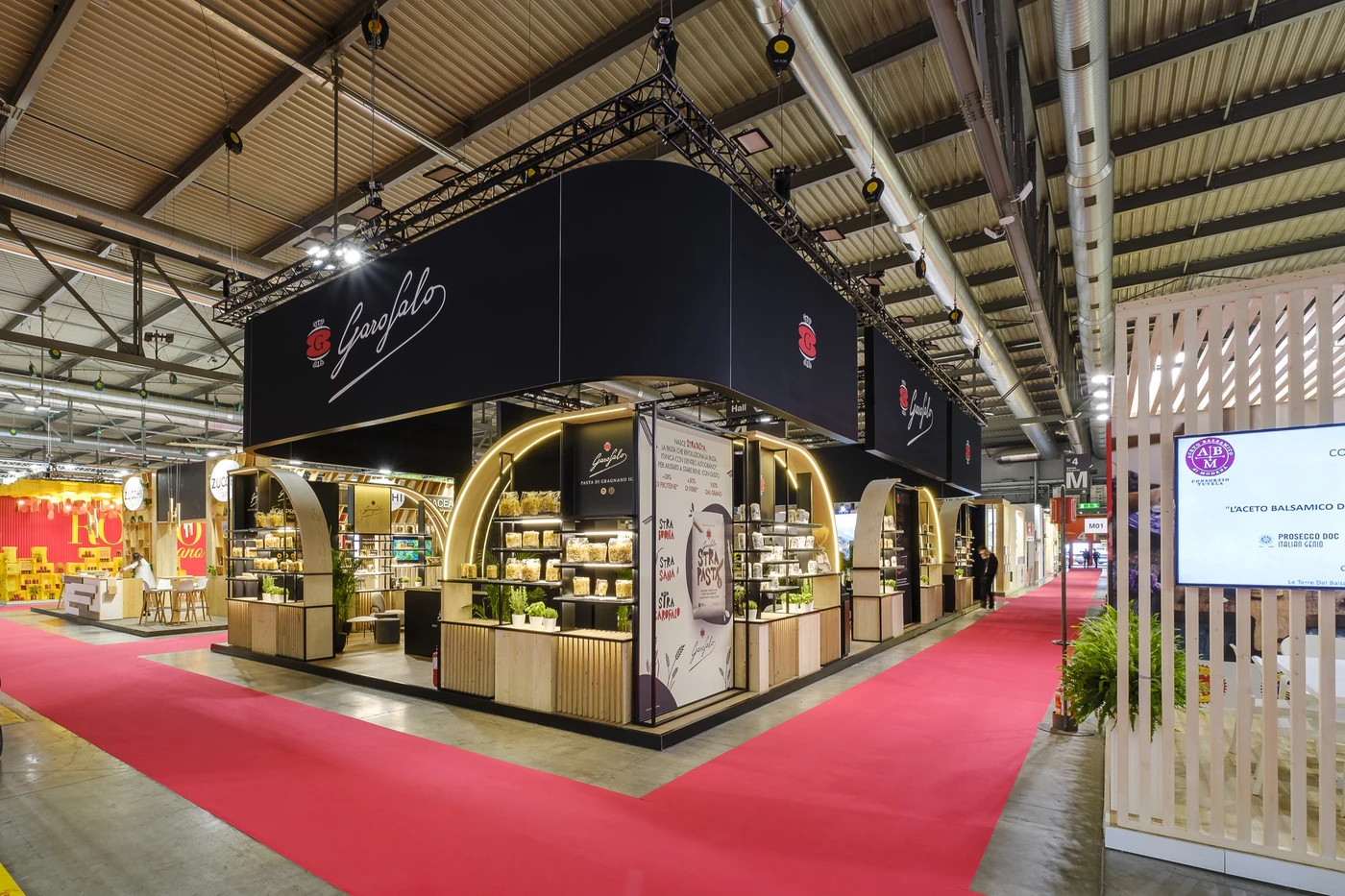
Industry context changes what the booth or event environment has to prove. Association, government, defense, healthcare, technology, education, energy, finance, food, and manufacturing audiences ask different questions and respond to different forms of evidence.
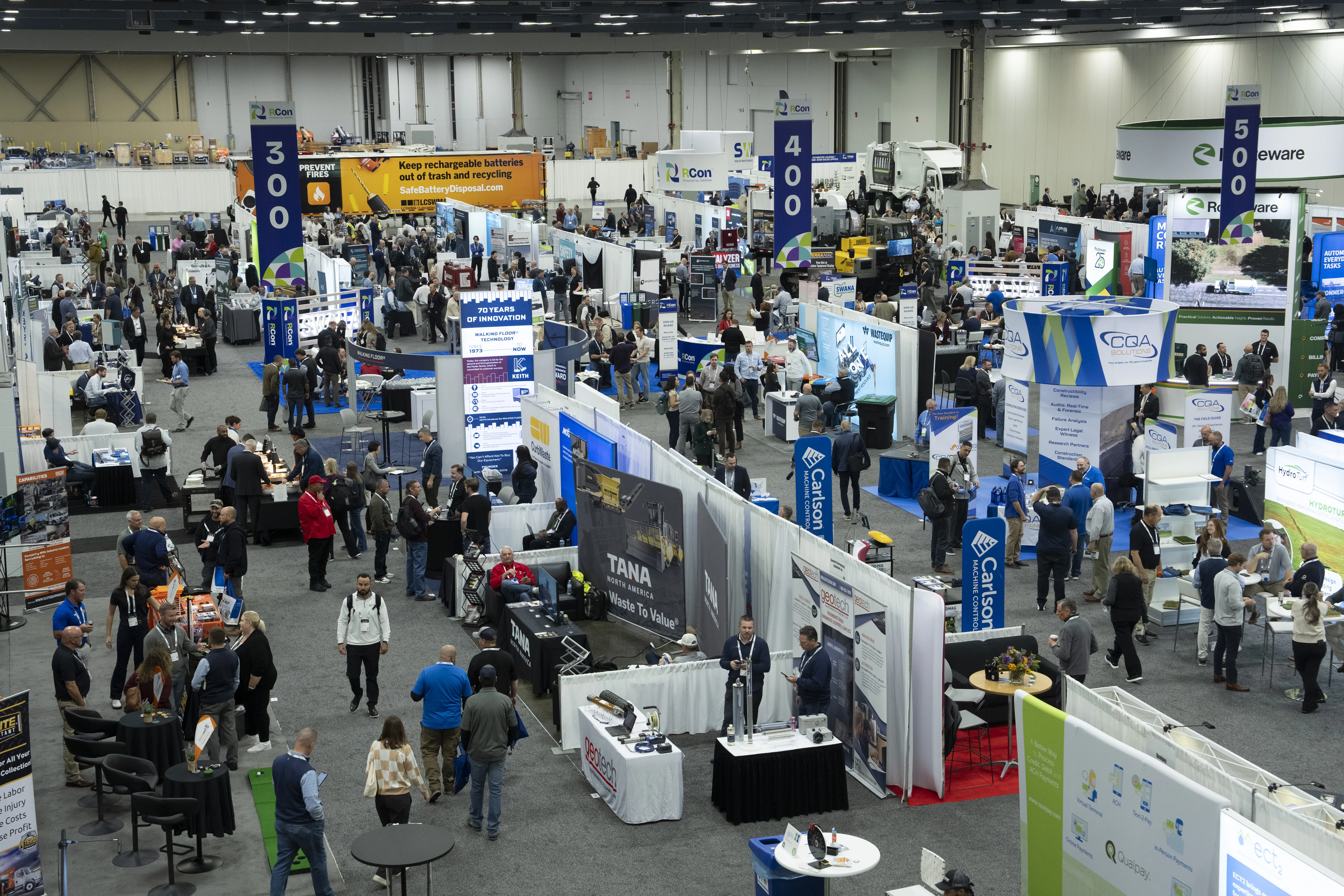
Washington programs move through convention-center halls, headquarters hotels, federal-core buildings, National Harbor resorts, Arlington venues, Alexandria properties, and close-in Maryland districts. Access rules, security posture, loading routes, service deadlines, and guest movement can change from one setting to another.
A credible industry plan connects the audience goal to venue rules, demo readiness, messaging, staffing, review steps, technical needs, and follow-up before the program is released.
The industry changes what the environment must communicate. A defense audience may need proof and discretion, a healthcare audience may need compliance sensitivity, a SaaS audience may need demo clarity, and an association audience may need sponsor visibility and member flow.
Those requirements should shape space planning, graphics, AV, staffing, literature, demo equipment, and meeting areas before production begins.
Industry-specific planning should decide what buyers need to see, what staff need to explain, and what technical elements have to work every time.
When those expectations are clear, the space can support real conversations instead of relying on generic graphics and improvised demos.
The most common industry risk is treating the audience as generic. That weakens messaging, staffing, demos, compliance review, and the credibility of the final environment.
The plan should identify approval needs, technical dependencies, product handling, privacy or security concerns, and post-event follow-up before show week.
Planner questions
Buyer expectations, compliance review, demo needs, staffing, proof points, technical dependencies, and follow-up expectations usually change by industry.
Messaging should be reviewed before graphics enter production, especially when claims, regulated language, government audiences, healthcare topics, or technical proof points are involved.
Staff roles should match the audience journey: qualification, technical explanation, executive meetings, demos, sponsor conversations, or post-event follow-up.
Ready to brief your project?
Share the venue, date, booth footprint, and priorities. We can align labor, freight, graphics, AV, approvals, and show-site responsibilities before deadlines stack up.